
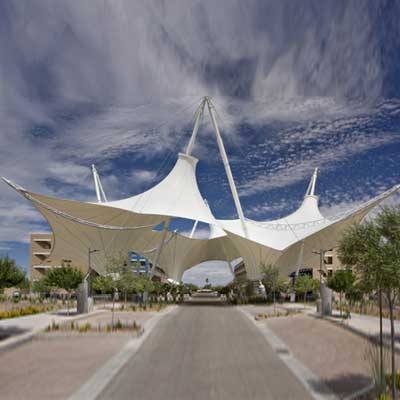
Tensile architecture, which employs flexible, tensioned materials such as fabric, cable, and membranes to create lightweight, visually striking structures, has emerged as a transformative design concept in the world of architecture. By harnessing the natural properties of materials under tension, tensile structures offer an aesthetic and functional alternative to traditional, rigid building forms. As we look to the future, the evolution of tensile architecture is poised to make a significant impact on construction practices worldwide. This article explores the innovations and trends shaping the future of tensile architecture.
1. Advances in Materials Technology
One of the most significant trends in tensile architecture is the continuous advancement in materials technology. Modern القماش الخارجي rely on innovative fabrics, membranes, and composite materials that provide higher strength, durability, and flexibility than their predecessors. For instance, ETFE (ethylene tetrafluoroethylene) and PTFE (polytetrafluoroethylene) membranes are increasingly used due to their durability, UV resistance, and excellent transparency, which allows natural light to flood interiors while maintaining thermal insulation.
Moreover, new materials such as nano-structured textiles and smart fabrics are expected to play a crucial role in the development of responsive tensile structures. These fabrics can adapt to environmental changes, such as temperature, wind, or light levels, making them more sustainable and energy-efficient. By integrating these materials with smart sensors, tensile architecture could evolve into "living" structures that adjust themselves according to the needs of the occupants or the environment.
2. Sustainability and Environmental Considerations
Sustainability has become a central focus in architectural design, and tensile structures are inherently suited to this direction. Their lightweight design reduces the amount of material needed for construction, significantly lowering the environmental impact compared to conventional buildings. Additionally, tensile structures often allow for more efficient use of natural resources, such as sunlight and ventilation, which leads to reduced energy consumption.
In the future, we can expect to see tensile architecture designed with renewable energy generation in mind. Solar panels could be integrated into tensile membranes, providing power to buildings without adding extra bulk or compromising aesthetics. Furthermore, the ability of tensile structures to create large, open, column-free spaces could make them ideal candidates for eco-friendly urban parks, stadiums, and exhibition halls, contributing to a more sustainable built environment.
3. Modular and Prefabricated Solutions
Another promising trend for tensile architecture is the rise of modular and prefabricated solutions. These designs are particularly suited to temporary structures or mobile applications, which are increasingly relevant in the context of global events, disaster recovery, and rapid urbanization. By using prefabricated, standardized components that can be easily assembled and disassembled, tensile architecture offers a cost-effective and versatile solution.
Innovations in 3D printing and robotic fabrication are also playing a key role in the development of modular tensile architecture. 3D printing allows for precise, customized components that can be integrated with flexible materials, offering new possibilities for both form and function. These technologies will likely accelerate the adoption of tensile structures for a broader range of applications, from commercial buildings to public infrastructure.
4. Urban Integration and Aesthetic Appeal
As cities become more crowded and land becomes scarcer, tensile architecture offers a means to create innovative, dynamic public spaces. Tensile structures can be designed to serve a variety of purposes, from creating shade and shelter in urban parks to providing iconic canopies for transportation hubs. These structures allow architects to break free from traditional designs and explore unique, fluid shapes that enhance the aesthetic appeal of public spaces.
Looking ahead, the integration of tensile architecture with other emerging design trends—such as biophilic design and parametric design—will enable the creation of immersive and responsive environments that promote well-being and creativity. Tensile structures, with their flowing forms and emphasis on openness, naturally lend themselves to these trends, creating spaces that prioritize harmony between the built and natural environments.
Conclusion
The future of tensile architecture is bright and full of exciting possibilities. Advancements in material science, sustainability, modular construction, and technological integration are reshaping the way we approach building design. As cities continue to evolve, tensile structures will play an increasingly vital role in creating flexible, sustainable, and visually captivating spaces. Whether for public infrastructure, temporary installations, or iconic landmarks, tensile architecture will remain at the forefront of innovation in the built environment.