
Hangover IV therapy has become a popular solution for people who want quick relief from the uncomfortable symptoms of a hangover. Many people wonder how fast recovery can be with hangover IV therapy and whether it truly works as advertised. This comprehensive guide will explore everything you need to know about this therapy, how it works, its effectiveness, and the science behind it.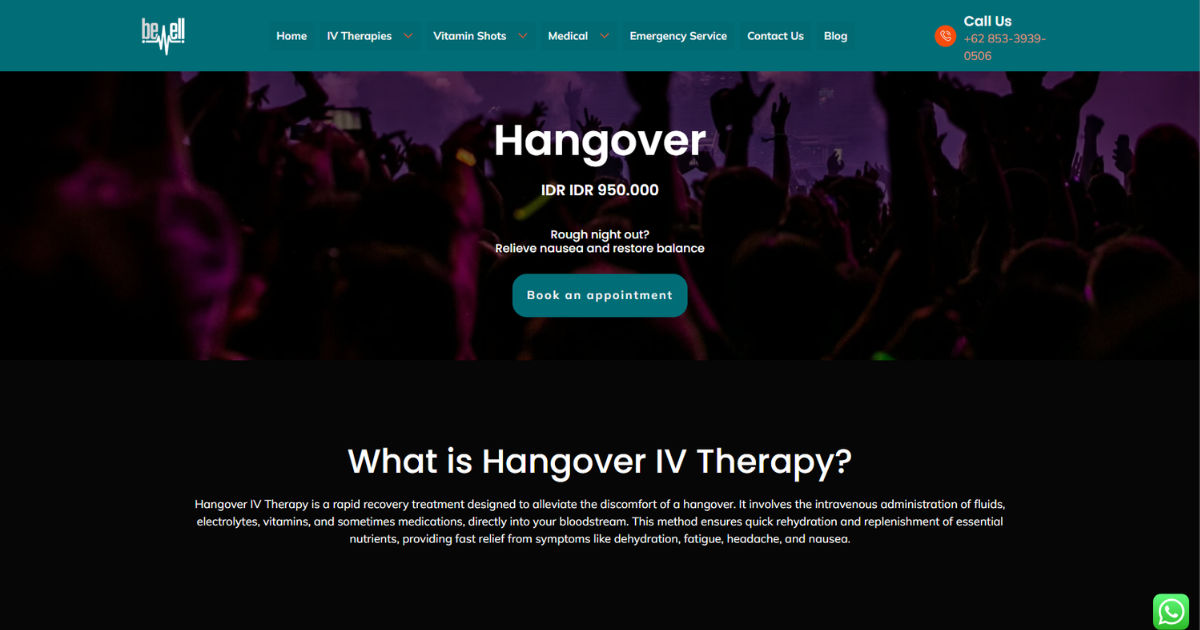
Hangover IV therapy involves the intravenous delivery of fluids, vitamins, and minerals directly into the bloodstream. Unlike traditional methods of treating hangovers, which rely on oral intake of water, electrolytes, and over-the-counter medications, IV therapy bypasses the digestive system. This means that essential nutrients reach the body faster, potentially speeding up recovery.
The main goal of hangover IV therapy is to rehydrate the body, restore lost electrolytes, and provide vitamins that help the liver process alcohol. Alcohol consumption often leads to dehydration, low blood sugar, and the depletion of key nutrients such as B vitamins and vitamin C. Hangover IV therapy addresses these deficiencies directly and quickly.
How Hangovers Affect the Body
To understand how fast recovery with hangover IV therapy can be, it is important to first understand what happens to the body during a hangover. Alcohol affects almost every system in the body.
Firstly, alcohol is a diuretic, which means it increases urine production. This leads to dehydration, which can cause headaches, fatigue, and dizziness. Dehydration also affects cognitive function, making concentration difficult.
Secondly, alcohol impacts blood sugar levels. Drinking heavily can cause hypoglycemia, leading to weakness, shakiness, and irritability. The body’s energy stores are depleted as it works to metabolize alcohol.
Thirdly, alcohol disrupts the balance of electrolytes such as sodium, potassium, and magnesium. These minerals are essential for muscle function, nerve function, and overall cellular processes. An imbalance can cause muscle cramps, nausea, and heart palpitations.
Lastly, alcohol metabolism produces acetaldehyde, a toxic compound that contributes to nausea, vomiting, and general malaise. The liver works hard to convert acetaldehyde into a less harmful substance, but this process takes time.
How Hangover IV Therapy Works
Hangover IV therapy works by directly addressing the main causes of hangover symptoms: dehydration, nutrient depletion, and toxin buildup.
The therapy usually involves a combination of the following components:
- Fluids: Saline or Ringer’s lactate solutions are commonly used to restore hydration quickly. This helps relieve headaches, dizziness, and fatigue.
- Electrolytes: Sodium, potassium, magnesium, and calcium are often added to replenish the minerals lost due to alcohol’s diuretic effect.
- Vitamins: B vitamins and vitamin C are included to support liver function, energy production, and immune system health.
- Amino acids: Some formulations include amino acids such as glutathione to help detoxify the liver and reduce oxidative stress caused by alcohol metabolism.
By delivering these nutrients intravenously, the body can absorb them nearly instantly, unlike oral intake, which requires digestion and can be slower and less effective.
Speed of Recovery With Hangover IV Therapy
One of the main questions people ask is: how fast can you recover with hangover IV therapy? Recovery speed varies depending on the individual, the severity of the hangover, and the specific IV formulation used.
Many people report feeling relief within 30 minutes to 2 hours after starting treatment. Headaches may reduce, nausea may subside, and energy levels can improve significantly. This rapid effect is mainly due to the direct rehydration of cells and replenishment of essential nutrients.
However, complete recovery can take longer. While IV therapy addresses dehydration and nutrient deficits quickly, the body still needs time to metabolize alcohol and repair any temporary damage caused by overconsumption. In most cases, full recovery is achieved within a few hours to a day after IV therapy.
It is important to note that hangover IV therapy does not accelerate alcohol metabolism. The liver still processes alcohol at its natural rate, usually about one standard drink per hour. IV therapy primarily helps alleviate symptoms while the body metabolizes alcohol naturally.
Factors Affecting Recovery Speed
Several factors can influence how fast recovery occurs with hangover IV therapy:
- Severity of the hangover: Heavy drinking or binge drinking can cause more severe dehydration and nutrient depletion, which may take longer to correct.
- Individual metabolism: Age, weight, gender, and overall health influence how quickly the body responds to IV therapy.
- IV formulation: Some clinics offer specialized hangover IV formulas with higher doses of vitamins, amino acids, and electrolytes. More comprehensive formulations may lead to faster symptom relief.
- Timing: Receiving IV therapy soon after symptoms appear often results in quicker recovery compared to waiting until the hangover is fully developed.
- Hydration and nutrition before drinking: People who are already well-hydrated and have balanced nutrition may experience faster benefits from IV therapy.
Benefits of Hangover IV Therapy
Hangover IV therapy offers several advantages compared to traditional hangover remedies:
- Rapid symptom relief: By delivering fluids and nutrients directly to the bloodstream, IV therapy can reduce symptoms much faster than oral methods.
- Hydration: Dehydration is quickly addressed, alleviating headaches, dizziness, and fatigue.
- Nutrient replenishment: Essential vitamins and minerals are delivered in precise amounts, supporting liver function and overall recovery.
- Customizable: Clinics often tailor IV therapy to individual needs, adjusting the mix of fluids, vitamins, and amino acids.
- Minimal digestive stress: Unlike oral remedies, IV therapy bypasses the digestive system, which can be sensitive after heavy drinking.
Potential Risks and Considerations
Although hangover IV therapy is generally safe, there are some potential risks and considerations to be aware of:
- Infection risk: Any IV procedure carries a small risk of infection at the injection site.
- Allergic reactions: Some people may react to specific vitamins or additives in the IV formulation.
- Cost: Hangover IV therapy can be expensive, and it is not usually covered by insurance.
- Temporary relief: IV therapy alleviates symptoms but does not prevent hangovers or alcohol-related liver damage.
It is also important to choose a reputable clinic with licensed medical professionals to ensure safety and proper administration.
Comparing Hangover IV Therapy With Traditional Methods
Traditional hangover remedies include drinking water, eating a balanced meal, taking over-the-counter pain relievers, and resting. While these methods can help, they often take longer to produce noticeable relief.
Hangover IV therapy offers a more direct approach. Oral hydration may take hours to restore electrolyte balance, and nutrients consumed through food or supplements are absorbed slowly. IV therapy bypasses these limitations, offering faster and more efficient recovery.
That said, traditional methods are still important. Drinking water before and after alcohol consumption, eating nutrient-rich foods, and getting adequate sleep can complement IV therapy and support overall recovery.
How to Prepare for Hangover IV Therapy
To get the best results from hangover IV therapy, preparation can make a difference:
- Stay hydrated: Drinking water before and during alcohol consumption can reduce the severity of dehydration.
- Eat before drinking: A balanced meal helps maintain blood sugar levels and may reduce the intensity of hangover symptoms.
- Know your limits: Understanding how much alcohol your body can handle can prevent severe hangovers.
- Schedule therapy early: Seeking IV therapy at the first signs of a hangover often leads to faster symptom relief.
Who Can Benefit From Hangover IV Therapy
Hangover IV therapy can benefit anyone experiencing moderate to severe hangover symptoms. However, it is particularly helpful for:
- People with busy schedules who need rapid recovery for work or social commitments.
- Individuals prone to severe hangovers due to dehydration or low nutrient levels.
- Travelers and professionals who want to minimize downtime after social events.
- People with sensitive digestive systems who may not tolerate oral remedies well.
Common Myths About Hangover IV Therapy
There are some misconceptions about hangover IV therapy that need clarification:
- It sobers you up instantly: IV therapy does not speed up alcohol metabolism. You may feel better, but you are not sober until your body has fully processed the alcohol.
- It cures hangovers permanently: IV therapy provides temporary relief, but overconsumption of alcohol can still cause repeated hangovers or long-term health issues.
- Anyone can receive IV therapy: Certain health conditions, such as kidney or heart problems, may require medical evaluation before IV therapy.
Cost and Accessibility
The cost of hangover IV therapy varies depending on location, clinic, and formulation. Prices generally range from $100 to $500 per session. While this may be expensive compared to traditional hangover remedies, many people find the rapid relief worth the cost, especially when they need to be productive quickly.
Some clinics offer mobile services, where a licensed professional comes to your home or hotel, increasing accessibility for busy individuals or travelers.
Conclusion
Hangover IV therapy offers a fast and effective way to alleviate the uncomfortable symptoms of a hangover. By directly delivering fluids, electrolytes, vitamins, and amino acids into the bloodstream, it addresses dehydration, nutrient depletion, and toxin buildup. Recovery speed can vary, but many people experience significant relief within 30 minutes to 2 hours, with complete recovery within a day.
While it is not a cure for overconsumption or a substitute for responsible drinking, hangover IV therapy can be a valuable tool for those seeking rapid symptom relief. It is most effective when combined with proper hydration, balanced nutrition, and moderation in alcohol intake.
Always ensure that therapy is administered by a licensed professional and choose a reputable clinic to minimize risks. When used responsibly, hangover IV therapy can dramatically improve comfort and recovery, making it a preferred choice for individuals who need fast results.