
The textile and clothing industry is one of the strongest pillars of Pakistan’s economy. Every year, apparel manufacturers in pakistan ship garments, uniforms, knitwear, denim, sportswear, and fashion products to buyers around the world.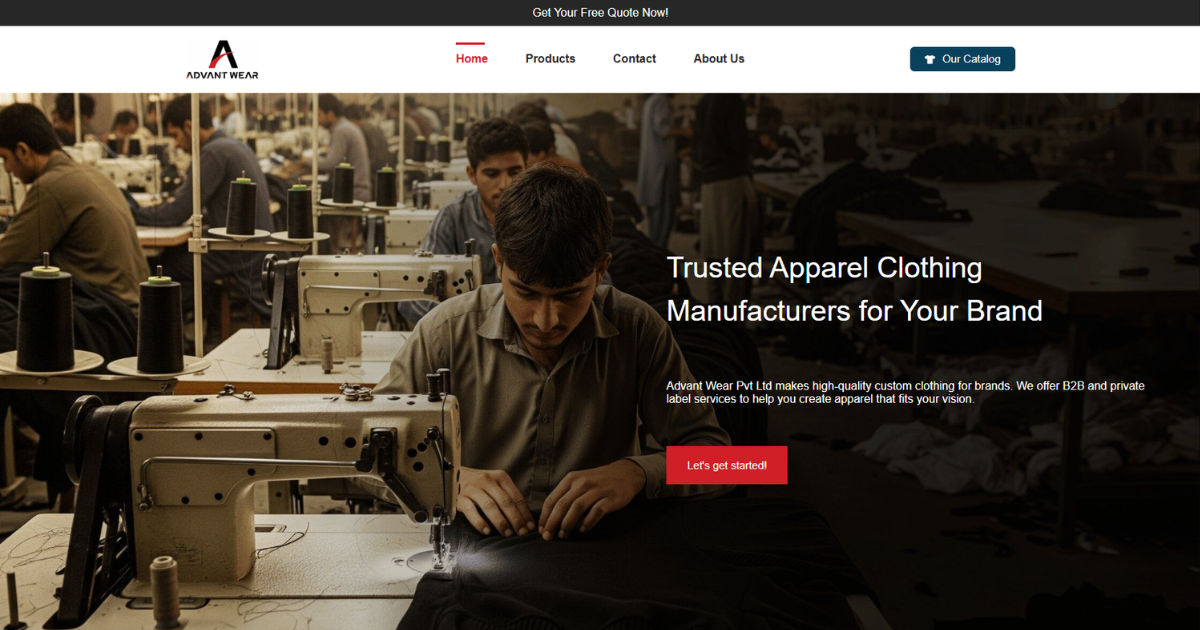
From small factories to large export houses, apparel manufacturers in pakistan play a major role in earning foreign exchange, creating jobs, and building international trade relationships.
Many global brands depend on apparel manufacturers in pakistan because of competitive pricing, skilled labor, cotton availability, and strong production capacity. At the same time, exporting clothing is a complex process. Apparel manufacturers in pakistan must meet quality standards, manage shipping, follow customs rules, and satisfy buyer deadlines.
This guide explains how apparel manufacturers in pakistan handle exports step by step. It is written in simple language and covers sourcing, production, documentation, logistics, compliance, payments, and future trends.
Why Pakistan Is Strong in Apparel Exports
Pakistan has a long history in textiles. It grows cotton, spins yarn, makes fabric, and stitches garments. This gives apparel manufacturers in pakistan an advantage because much of the supply chain is available locally.
The country also has experienced workers, modern factories, and export zones. Many apparel manufacturers in pakistan specialize in denim jeans, t-shirts, hoodies, workwear, bedwear, and sports clothing.
Another reason buyers choose apparel manufacturers in pakistan is cost efficiency. Labor and production costs can be lower than in many competing countries. This helps importers maintain margins while receiving good quality.
Government support also matters. Trade incentives, export rebates, and industry policies often help apparel manufacturers in pakistan compete globally.
Main Export Markets
Different regions buy different products. Apparel manufacturers in pakistan often export to:
- United States
- United Kingdom
- Germany
- Spain
- France
- Italy
- Netherlands
- Canada
- Australia
- Middle East markets
European buyers often order fashion basics and denim. American buyers may source casualwear and sportswear. Gulf countries import uniforms and modest clothing. This market diversity helps apparel manufacturers in pakistan reduce dependence on one region.
How Export Orders Begin
Buyer Inquiry
The export process usually starts when a buyer contacts a factory. The buyer may find apparel manufacturers in pakistan through trade fairs, sourcing websites, agents, or referrals.
The buyer sends details such as:
- Product type
- Fabric quality
- Quantity
- Sizes
- Color options
- Packaging needs
- Delivery date
Quotation and Pricing
After reviewing the inquiry, apparel manufacturers in pakistan prepare a price quote. Pricing depends on:
- Fabric cost
- Trims and accessories
- Labor cost
- Printing or embroidery
- Packaging
- Shipping terms
- Order volume
Factories must price carefully. If the quote is too high, they lose the order. If too low, profit becomes weak. Successful apparel manufacturers in pakistan balance both.
Product Development and Sampling
Before mass production, buyers usually ask for samples. Sampling is critical because it confirms design, fit, and quality.
Types of samples include:
- Proto sample
- Fit sample
- Salesman sample
- Pre-production sample
- Size set sample
- Shipment sample
Professional apparel manufacturers in pakistan maintain sample rooms with pattern makers and stitching experts. Fast sampling helps win export orders.
When buyers approve samples, production planning begins.
Raw Material Sourcing
Fabric Procurement
Fabric is the heart of garment production. Many apparel manufacturers in pakistan source fabric locally from weaving and knitting mills.
Common fabrics include:
- Cotton jersey
- Fleece
- Denim
- Twill
- Poplin
- Polyester blends
- Lycra blends
Accessories and Trims
Factories also buy:
- Buttons
- Zippers
- Labels
- Hangtags
- Elastic
- Threads
- Packaging materials
Reliable sourcing is essential because delays in materials can delay exports. Efficient apparel manufacturers in pakistan build strong vendor networks.
Production Planning
Once materials arrive, production managers create schedules. Apparel manufacturers in pakistan must meet buyer deadlines, especially for seasonal fashion.
Planning includes:
- Cutting dates
- Sewing line allocation
- Printing schedule
- Finishing timeline
- Inspection dates
- Packing dates
- Shipment booking
Factories that miss planning targets may face late delivery penalties. Therefore, organized systems are common among leading apparel manufacturers in pakistan.
Manufacturing Process
Cutting
Fabric is spread in layers and cut using patterns. Accurate cutting reduces waste and improves consistency.
Sewing
Cut panels move to sewing lines. Operators stitch garments step by step. Skilled labor is one reason many buyers trust apparel manufacturers in pakistan.
Printing and Embroidery
If the garment needs branding or decoration, factories apply screen printing, heat transfer, or embroidery.
Finishing
After stitching, garments are trimmed, ironed, washed, checked, and prepared for packing.
Packing
Products are folded, tagged, polybagged, and packed in cartons according to buyer instructions. Efficient apparel manufacturers in pakistan treat packing seriously because it affects retail presentation.
Quality Control in Export Orders
International buyers demand consistency. That is why quality control is central for apparel manufacturers in pakistan.
Checks happen at different stages:
- Fabric inspection
- In-line sewing inspection
- Measurement checks
- Needle control
- Color matching
- Final random inspection
- Carton verification
Factories often follow AQL standards. If defects are high, shipments may be rejected. Strong quality systems help apparel manufacturers in pakistan build long-term buyer trust.
Compliance and Certifications
Global brands expect ethical and safe production. Therefore, many apparel manufacturers in pakistan maintain social and technical certifications.
Common requirements include:
- Safe working conditions
- Fire safety systems
- Fair wages compliance
- No child labor
- Environmental controls
- Waste management
- Chemical handling systems
Some factories also hold certifications such as ISO, WRAP, BSCI, Sedex, or OEKO-TEX. These standards improve the reputation of apparel manufacturers in pakistan.
Export Documentation
Paperwork is one of the most important parts of shipping. Even if goods are ready, errors in documents can delay cargo.
Typical documents used by apparel manufacturers in pakistan include:
- Commercial invoice
- Packing list
- Bill of lading or airway bill
- Certificate of origin
- Inspection certificate
- GSP or trade preference documents
- Insurance papers
- Purchase order references
Experienced export teams in apparel manufacturers in pakistan carefully review every document before dispatch.
Shipping and Logistics
Sea Freight
For large orders, sea freight is common. Containers are loaded and shipped through ports such as Karachi or Port Qasim. Many apparel manufacturers in pakistan use sea freight for cost savings.
Air Freight
Urgent orders may go by air. Air shipping is faster but more expensive.
Freight Forwarders
Most factories work with freight forwarders who manage booking, customs coordination, and transport. Reliable logistics partners help apparel manufacturers in pakistan deliver on time.
Customs Clearance
Before goods leave the country, customs procedures must be completed. Export declarations, invoices, and shipment data are submitted.
Mistakes can cause delays, inspections, or extra costs. For this reason, many apparel manufacturers in pakistan have trained export staff or customs agents.
Smooth customs clearance improves delivery performance and buyer satisfaction.
Payment Methods in Apparel Exports
Getting paid securely is essential. Common methods used by apparel manufacturers in pakistan include:
Letter of Credit (LC)
Banks guarantee payment if shipment terms are met.
Telegraphic Transfer (TT)
The buyer sends payment directly through bank transfer.
Documents Against Payment
Documents are released after payment conditions are met.
Advance Payment
Used more often for small buyers or new relationships.
Financial discipline helps apparel manufacturers in pakistan protect cash flow and reduce risk.
Challenges Faced During Exports
Even strong exporters face obstacles. Apparel manufacturers in pakistan commonly deal with:
- Rising cotton prices
- Energy costs
- Currency fluctuations
- Shipping delays
- Global recessions
- Buyer price pressure
- Compliance costs
- Political uncertainty
To survive, apparel manufacturers in pakistan must stay flexible and efficient.
How Factories Stay Competitive
Technology Adoption
Modern ERP systems, digital pattern making, and automated cutting improve speed. Forward-looking apparel manufacturers in pakistan invest in technology.
Product Diversification
Factories that only make one item carry risk. Many apparel manufacturers in pakistan now offer activewear, sustainable fashion, kidswear, and premium basics.
Better Communication
Fast email responses, clear production updates, and transparent problem solving help retain buyers. Smart apparel manufacturers in pakistan know communication is as important as stitching.
Sustainability
Recycled fabrics, solar energy, water treatment, and reduced waste are becoming important. Eco-friendly apparel manufacturers in pakistan attract modern brands.
Role of Small and Medium Factories
Large exporters receive attention, but smaller units also matter. Many small apparel manufacturers in pakistan work as subcontractors or niche suppliers.
They may specialize in:
- Custom uniforms
- Boutique orders
- Sportswear
- Embroidery-heavy garments
- Low minimum order quantities
With proper systems, small apparel manufacturers in pakistan can grow into direct exporters.
How Buyers Choose a Supplier
International buyers usually compare several factories before placing orders. They look for:
- Good pricing
- Reliable communication
- Strong samples
- On-time delivery history
- Ethical compliance
- Capacity to scale
- Product expertise
This means apparel manufacturers in pakistan must market themselves professionally and maintain standards.
Future Trends in Pakistan Apparel Exports
The export landscape is changing quickly. Future-ready apparel manufacturers in pakistan are focusing on:
- Sustainable textiles
- Organic cotton garments
- Traceable supply chains
- Digital product development
- Smaller faster orders
- E-commerce private labels
- Functional sportswear
- Value-added fashion products
Factories that adapt early will gain more market share.
Tips for New Exporters
If a new company wants to join the industry, learning from established apparel manufacturers in pakistan is useful.
Best starting steps include:
- Build a skilled production team
- Develop quality systems
- Learn export documentation
- Attend trade fairs
- Create strong samples
- Start with smaller buyers
- Use clear contracts
- Focus on timely delivery
Success usually comes from consistency, not shortcuts.
Why Relationships Matter
Long-term business often depends on trust. Buyers prefer factories that solve problems quickly. Strong relationships allow apparel manufacturers in pakistan to receive repeat orders and better forecasts.
When factories communicate honestly about delays, shortages, or quality issues, buyers are more likely to continue cooperation.
Trust can be more valuable than one low price order.
Detailed Conclusion
The export journey is much more than making clothes. It starts with inquiries, pricing, and samples. Then it moves through sourcing, production, quality checks, packing, documentation, customs, shipping, and payment collection. Every stage must work smoothly for success.
That is why professional apparel manufacturers in pakistan build complete systems instead of focusing only on sewing. They train workers, improve machinery, control quality, maintain certifications, and manage buyer expectations. Their role supports jobs, industry growth, and national exports.
Despite challenges such as cost pressure, freight issues, and competition, apparel manufacturers in pakistan remain important players in the global garment market. Pakistan’s cotton base, skilled workforce, and manufacturing experience provide strong advantages.
The future belongs to exporters who innovate. Sustainable production, digital tools, faster lead times, and better branding will shape the next generation of apparel manufacturers in pakistan. Companies that adapt to these changes can win larger international orders and stronger reputations.
In simple words, successful exports happen when quality, trust, speed, and planning come together. That is how apparel manufacturers in pakistan continue serving buyers across the world and expanding their place in global trade.