
The phrase “slot gacor” has become very popular in online gaming discussions. Many players believe certain slot games are more likely to pay out during specific times or after certain patterns appear.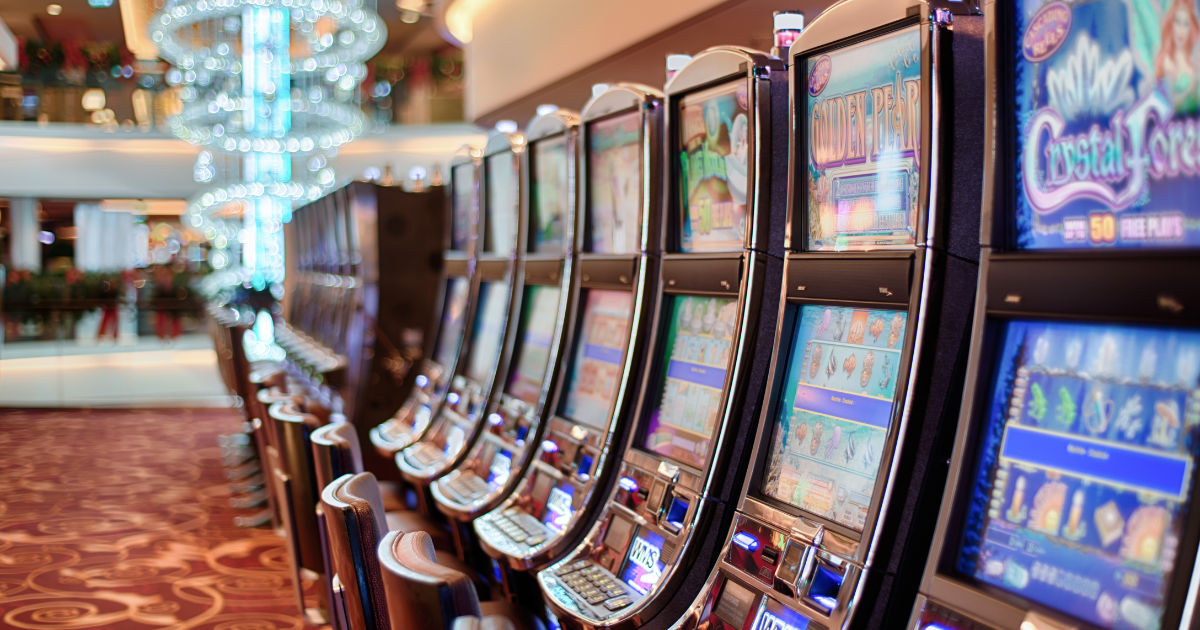
Across forums, social media posts, and gaming communities, people often search for clues that can predict winning moments. At the same time, platforms such as koitoto are frequently mentioned in discussions about online slot experiences and player strategies.
However, understanding how chance works is the key to understanding slot gacor outcomes. Many beliefs about “hot machines” or “winning cycles” are based more on perception than on proven mathematical facts.
Modern slot systems are built around random number technology, meaning each spin is independent from the last. Chance, probability, and randomness explain far more about results than myths or superstitions.
In this guide, we will explore how chance influences slot gacor outcomes, why randomness matters, how probability shapes player experiences, and why people often misunderstand winning streaks. This article is written in simple language for a 12th-grade audience and provides a complete explanation of how slot outcomes actually work.
The Meaning of Slot Gacor
The term “slot gacor” is commonly used by players to describe a slot game that appears to pay out frequently or produce exciting winning streaks. In online discussions connected to koitoto communities, people may say a machine is “gacor” when it seems more generous than usual.
Players often associate slot gacor with:
- Frequent bonus rounds
- Consecutive wins
- High payout sessions
- Easy jackpot triggers
- Extended gameplay with fewer losses
While these experiences can happen, they are usually explained by randomness and probability rather than by a hidden predictable system.
The idea becomes popular because humans naturally search for patterns. When players notice repeated wins, they often believe there is a reason behind them. In reality, chance alone can create clusters of wins and losses.
The Role of Randomness in Slot Games
Randomness is the foundation of slot outcomes. Modern slot machines use a system called a Random Number Generator, often shortened to RNG.
An RNG continuously creates random numbers every second. When a player presses the spin button, the game selects a random number that determines the result.
This means:
- Every spin is separate
- Previous outcomes do not affect future outcomes
- Winning streaks happen randomly
- Losing streaks also happen randomly
Even on koitoto-related gaming discussions, players sometimes believe timing or betting style changes outcomes. However, mathematically, each spin has no memory.
Why Randomness Feels Confusing
Humans naturally expect events to follow patterns. If someone flips a coin and gets heads five times in a row, many people believe tails is “due.” But probability does not work this way.
The same principle applies to slots.
A machine can produce:
- Several wins in a row
- Long dry periods
- Repeated bonus rounds
- Sudden jackpots
All of these outcomes can happen naturally through chance.
How Probability Explains Slot Outcomes
Probability is the mathematical study of chance. Slot machines are designed using probability models that determine how likely different outcomes are.
For example:
- Small wins may occur frequently
- Large jackpots may occur rarely
- Bonus features may activate occasionally
The probability settings are programmed into the game design.
Simple Example of Probability
Imagine a wheel with 100 spaces:
- 70 spaces are losing results
- 25 spaces are small wins
- 4 spaces are medium wins
- 1 space is a jackpot
Even though jackpots are rare, they are still possible at any moment.
This randomness creates the excitement many players discuss in koitoto communities.
Why Players Believe in Slot Gacor Patterns
People often connect unrelated events together. This psychological behavior is called pattern recognition.
Humans are trained to search for order in chaos. Because of this, players may believe:
- A machine becomes “hot”
- Certain hours are luckier
- Betting larger changes odds
- Recent losses mean a win is coming
In reality, these beliefs are usually emotional reactions to random events.
The Illusion of Control
Many players feel their actions influence outcomes. They may:
- Change spin speed
- Use specific betting patterns
- Follow online predictions
- Watch previous spins closely
However, the RNG system does not respond emotionally or strategically.
The machine does not know:
- Who is playing
- How much was lost
- How long someone played
- Which strategy is used
Chance alone determines outcomes.
Understanding Winning Streaks
Winning streaks are one of the biggest reasons players believe in slot gacor systems.
When several wins happen close together, it creates excitement and confidence.
But probability naturally allows streaks to occur.
Example of Random Clustering
Suppose a player has:
- 100 spins
- 20 possible winning outcomes
The wins may not appear evenly spread out. Instead:
- Five wins may happen quickly
- Then twenty losing spins may occur
- Then another burst of wins may appear
This uneven distribution is normal in random systems.
The same discussions often appear on koitoto gaming forums where players share screenshots of lucky sessions. These experiences feel meaningful, but they are usually statistical clusters rather than evidence of predictable patterns.
The Gambler’s Fallacy
One major misunderstanding about slot outcomes is the gambler’s fallacy.
This happens when someone believes previous results change future probabilities.
Examples include:
- “This machine has not paid recently, so it must pay soon.”
- “I lost ten times, so a jackpot is coming.”
- “The machine is due.”
These ideas sound logical emotionally, but mathematically they are incorrect.
Each spin is independent.
A slot machine does not balance wins and losses in the short term.
Return to Player and Chance
Another important concept is RTP, or Return to Player.
RTP represents the theoretical percentage of money returned to players over a very long time.
For example:
- A slot with 96% RTP theoretically returns $96 for every $100 wagered over millions of spins.
However:
- Short sessions may vary greatly
- One player may win big
- Another may lose quickly
Chance causes short-term unpredictability.
This is why experiences on koitoto discussions can vary so much between players using the same game.
Variance and Volatility
Slot games also use volatility systems.
Low Volatility Slots
These:
- Pay smaller wins more often
- Create smoother gameplay
- Reduce dramatic swings
High Volatility Slots
These:
- Pay less frequently
- Offer larger jackpots
- Create more dramatic outcomes
High volatility games often create stronger slot gacor discussions because occasional huge wins attract attention.
Players remember exciting moments more than ordinary losses.
Why Social Media Amplifies Slot Gacor Beliefs
Social media plays a huge role in shaping player perceptions.
People often share:
- Big jackpots
- Bonus rounds
- Massive multipliers
- Lucky streaks
Rarely do users post long losing sessions.
This creates a biased view where success appears more common than it actually is.
Communities connected to koitoto discussions sometimes focus heavily on winning screenshots, which can strengthen the belief that certain systems reliably predict outcomes.
Confirmation Bias
Confirmation bias occurs when people notice information that supports their beliefs while ignoring conflicting evidence.
For example:
- A player believes certain hours are lucky
- They remember wins during those hours
- They forget losses during the same hours
This selective memory strengthens myths about slot gacor timing.
How Emotions Affect Perception of Chance
Emotions strongly influence how players interpret randomness.
Excitement
Winning creates adrenaline and excitement. Emotional experiences become memorable.
Frustration
Losing streaks encourage players to search for explanations.
Hope
Hope motivates players to believe patterns exist.
Because of these emotions, many players feel randomness is less random than it truly is.
Near Misses and Psychological Effects
Slot machines often produce near misses.
Examples:
- Two jackpot symbols appear, but the third misses
- Bonus symbols almost line up
Near misses create the feeling that a win was close.
Psychologically, this increases excitement and encourages continued play.
However, a near miss is still a losing result mathematically.
The machine does not “almost” pay out.
Why Humans Struggle With Randomness
Humans are not naturally good at understanding probability.
We expect:
- Balance in short periods
- Predictable sequences
- Logical order
But random systems do not behave neatly.
For example:
- Five losses in a row may occur naturally
- Three jackpots close together may also occur naturally
Chance does not follow emotional expectations.
Can Strategies Beat Randomness?
Many players search for systems to control outcomes.
Common ideas include:
- Betting progression systems
- Timing methods
- Pattern tracking
- Auto-spin analysis
Despite these theories, randomness remains dominant.
No strategy can guarantee success against independent random outcomes.
This is important for players participating in koitoto gaming communities where strategy discussions are common.
What Strategies Can Actually Do
Strategies may help:
- Manage spending
- Control session length
- Reduce emotional decisions
But they cannot remove randomness.
The Mathematics Behind RNG Systems
Random Number Generators are carefully designed algorithms.
These systems:
- Generate thousands of numbers per second
- Operate continuously
- Select outcomes instantly
When the spin button is pressed, the game captures the current random value.
This determines:
- Symbol positions
- Bonus activation
- Win size
Because the process happens instantly, predicting exact results becomes impossible.
Why Some Sessions Feel Luckier
People often describe “lucky days” or “cold streaks.”
Chance naturally creates uneven experiences.
Example
Two players each spin 100 times:
- Player A may hit multiple bonuses
- Player B may hit none
Both outcomes fit within probability.
Random systems create variety, not fairness in short sessions.
How Casinos Use Probability
Slot games are designed around long-term mathematical balance.
Over massive numbers of spins:
- The house maintains an advantage
- RTP calculations stabilize
- Randomness still creates short-term unpredictability
This balance allows:
- Occasional large wins
- Frequent smaller payouts
- Sustainable game operation
The unpredictability is exactly what creates excitement.
The Difference Between Chance and Skill
Unlike skill-based games:
- Slot outcomes rely primarily on chance
- Players cannot influence symbol positions directly
Games like chess or poker involve strategic decision-making.
Slots depend far more on probability.
This distinction is important when understanding slot gacor claims.
Why Jackpot Stories Spread Quickly
Large jackpots attract attention because they are emotionally powerful.
Online discussions often focus on:
- Extraordinary wins
- Rare bonuses
- Life-changing payouts
This creates the illusion that massive wins happen constantly.
In reality:
- Millions of ordinary spins occur unnoticed
- Rare wins become viral stories
This selective attention shapes perceptions in koitoto communities and beyond.
Responsible Understanding of Random Outcomes
Understanding randomness helps create healthier expectations.
Players should recognize:
- Wins are unpredictable
- Losses are normal
- No guaranteed pattern exists
- Random streaks happen naturally
Viewing slots through the lens of probability rather than superstition can reduce unrealistic expectations.
The Science of Human Decision-Making
Behavioral psychology explains why gambling experiences feel meaningful.
Humans are influenced by:
- Reward anticipation
- Emotional excitement
- Pattern detection
- Social influence
These psychological factors make random systems feel personal.
Players may believe:
- The machine reacts to them
- Timing matters
- Persistence changes odds
But mathematically, randomness remains independent.
How Online Discussions Shape Beliefs
Communities often reinforce shared ideas.
When many users repeat:
- “This game is hot”
- “This timing works”
- “This pattern predicts bonuses”
These ideas become socially accepted even without scientific evidence.
The popularity of koitoto conversations about slot patterns demonstrates how community influence shapes player perceptions.
Why Randomness Creates Entertainment
Uncertainty is part of entertainment.
If outcomes were fully predictable:
- Excitement would disappear
- Suspense would vanish
- Anticipation would fade
Randomness creates emotional highs and lows that many players enjoy.
This unpredictability is central to slot design.
Common Myths About Slot Gacor
Myth 1: Machines Become Hot
Reality:
Random clustering creates temporary winning streaks.
Myth 2: Timing Controls Outcomes
Reality:
RNG systems operate continuously and independently.
Myth 3: Losses Increase Future Win Chances
Reality:
Each spin remains separate.
Myth 4: Watching Patterns Predicts Bonuses
Reality:
Random outcomes naturally create apparent patterns.
Why Education About Probability Matters
Understanding probability helps people make informed decisions.
Learning about:
- Randomness
- Probability
- Psychological bias
- Statistical variation
Can improve critical thinking.
This knowledge also helps explain why slot gacor beliefs remain so widespread in online communities including koitoto discussions.
The Balance Between Entertainment and Expectation
Many people enjoy slots for entertainment purposes.
Healthy expectations include understanding:
- Outcomes are random
- Wins are never guaranteed
- Short-term luck varies widely
Viewing slot games as entertainment rather than predictable income sources creates a more realistic perspective.
Conclusion
Chance is the primary explanation behind slot gacor outcomes. While players often search for hidden patterns, lucky timings, or special strategies, modern slot systems rely heavily on randomness and probability. Random Number Generators ensure that every spin is independent, meaning previous results do not influence future outcomes.
Winning streaks, bonus rounds, and jackpots can happen naturally because randomness creates clusters of unusual events. Human psychology, however, encourages people to see patterns even when none truly exist. Emotional experiences, social media influence, and selective memory all strengthen beliefs about slot gacor behavior.
Communities discussing koitoto and similar gaming experiences frequently share stories of large wins and exciting sessions, which can make certain games appear more predictable than they really are. Yet mathematics consistently shows that chance remains the dominant force behind outcomes.
Understanding probability, RTP, volatility, and psychological bias allows players to view slot games more realistically. Randomness does not guarantee fairness in the short term, but it does explain why experiences vary so dramatically from one session to another.
Ultimately, slot gacor outcomes are best understood through the lens of chance rather than superstition. The unpredictable nature of randomness is what creates excitement, suspense, and the memorable moments that players continue to discuss across gaming communities worldwide.