
When it comes to transforming an interior without expensive renovations, large vertical wall art is one of the most effective design elements you can choose. A carefully selected piece can instantly draw attention, create visual height, add personality, and make an ordinary room feel professionally designed.
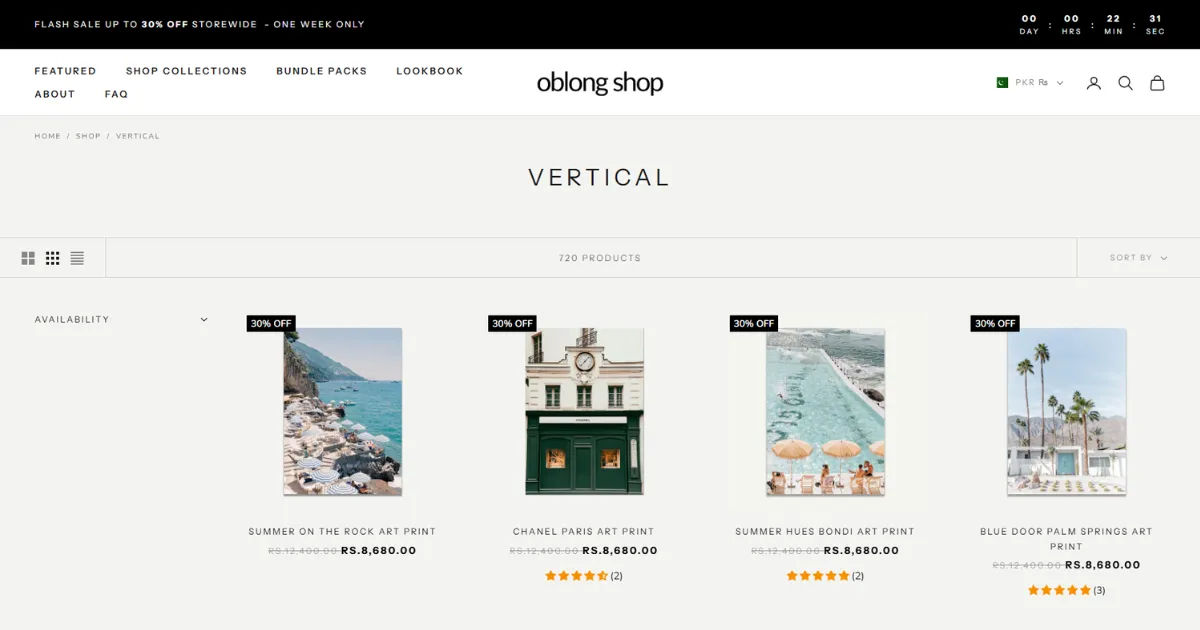
Whether your home has modern, traditional, minimalist, or rustic décor, large vertical wall art helps define the atmosphere while making the space feel more complete.Unlike smaller decorative pieces that often blend into the background, oversized vertical artwork naturally becomes a focal point. It guides the eye upward, making ceilings appear taller and rooms feel more spacious.
At the same time, it introduces color, texture, and emotion that furniture alone cannot provide.This guide explains exactly how large vertical wall art changes a room, why interior designers frequently recommend it, and how you can use it to improve nearly every area of your home.
Why Wall Art Has Such a Strong Impact
Every room tells a story through its colors, furniture, lighting, and decorative accessories. Wall art connects these elements together and creates balance.
Without artwork, even beautifully furnished spaces may appear unfinished. Large artwork fills empty walls while adding personality and visual interest. Instead of looking plain or empty, the room gains purpose and character.
Vertical artwork is especially effective because people naturally notice height before width. This creates an illusion that the room extends upward, making the entire space appear larger than it actually is.
Why Vertical Art Works Better on Tall Walls
Many homes feature walls with high ceilings, staircases, or narrow spaces that horizontal artwork cannot fill effectively.
Large vertical wall art complements these spaces because it follows the natural proportions of the wall. Rather than leaving unused space above furniture, it stretches the eye upward and creates visual harmony.
This makes it particularly useful for:
- Living rooms
- Entryways
- Hallways
- Staircases
- Dining rooms
- Bedrooms
- Home offices
Instead of competing with furniture, vertical artwork enhances the architecture of the room.
It Makes Ceilings Feel Higher
One of the biggest benefits of large vertical wall art is its ability to create the illusion of height.
Interior designers frequently use vertical lines to make spaces appear taller. The same principle applies to artwork.
When someone enters the room, their eyes naturally travel from the bottom of the artwork toward the top. This upward movement tricks the brain into perceiving greater ceiling height.
Homes with average ceiling heights benefit tremendously from this visual effect.
Even apartments with limited square footage can appear more open simply by choosing vertically oriented artwork.
It Creates an Instant Focal Point
Every well-designed room needs somewhere for the eye to rest.
Without a focal point, the room can feel cluttered or confusing because nothing stands out.
A thoughtfully selected large vertical wall art piece immediately becomes the visual centerpiece.
Instead of multiple small decorations competing for attention, one striking artwork provides a clear anchor that organizes the entire space.
Common focal point locations include:
Above the Sofa
The living room often centers around seating.
Installing large vertical wall art above the sofa helps define the seating area while adding elegance and personality.
Behind the Bed
Bedrooms benefit greatly from oversized artwork behind the headboard.
Instead of relying only on furniture, the artwork completes the wall and gives the room a luxurious hotel-inspired appearance.
Entryway Feature Wall
Guests form first impressions within seconds.
A bold vertical artwork in the entrance immediately communicates your decorating style while making the home feel welcoming.
It Adds Personality
Furniture provides function.
Artwork provides emotion.
A room filled with neutral furniture can instantly become energetic, calming, sophisticated, or dramatic depending on the artwork displayed.
For example:
- Nature scenes create tranquility.
- Abstract paintings encourage creativity.
- Black-and-white photography feels timeless.
- Botanical prints bring freshness.
- Geometric artwork supports modern interiors.
This emotional impact explains why artwork often becomes the most memorable feature in a room.
It Makes Empty Walls Feel Complete
Large blank walls often create an unfinished appearance.
People sometimes solve this problem by hanging numerous small frames. While this approach can work, it may also make the room feel busy.
A single large vertical wall art piece simplifies the design.
Instead of multiple decorations competing for space, one oversized artwork fills the wall while maintaining a clean, organized appearance.
Minimalist interiors especially benefit from this approach because fewer decorative elements produce greater visual impact.
It Enhances Natural Light
Artwork influences how light moves throughout a room.
Pieces featuring lighter colors, metallic details, or reflective finishes help brighten darker interiors by bouncing light across surrounding surfaces.
Meanwhile, artwork with soft color palettes complements natural daylight and creates an airy atmosphere.
When positioned opposite windows, large vertical wall art can amplify the room's brightness throughout the day.
It Introduces Color Without Renovation
Changing wall colors requires painting.
Replacing flooring can be expensive.
Buying new furniture costs even more.
Artwork offers a much simpler solution.
A carefully selected large vertical wall art piece introduces fresh colors that completely change the room's appearance.
For example:
- Blue creates calm.
- Green adds freshness.
- Yellow increases warmth.
- Earth tones create comfort.
- Black provides sophistication.
- White keeps interiors bright.
Because artwork contains multiple colors, it also helps connect furniture, rugs, curtains, and accessories into one cohesive design.
It Adds Texture and Depth
Not all artwork is completely flat.
Many modern pieces include:
- Raised paint
- Mixed media
- Wood accents
- Fabric
- Metal elements
- Hand-painted textures
These materials introduce physical depth that makes walls more interesting.
Instead of appearing smooth and empty, the wall develops dimension that changes as lighting shifts throughout the day.
This subtle variation keeps the room visually engaging.
It Improves Room Proportions
Every room contains visual proportions that influence how comfortable it feels.
When furniture appears too small compared to a large wall, the room may seem unbalanced.
Similarly, oversized furniture placed against an empty wall can feel disconnected.
Large vertical wall art bridges these proportions by filling the empty space above furniture.
This creates a stronger relationship between walls, furnishings, and decorative accessories.
As a result, the room feels intentionally designed rather than randomly arranged.
It Encourages Better Interior Balance
Professional interior designers often focus on balance rather than symmetry.
Balance means distributing visual weight evenly throughout a room.
A tall bookshelf on one side of a room may need visual weight elsewhere to prevent the design from feeling lopsided.
A carefully positioned large vertical wall art piece can provide that balance without adding bulky furniture.
This helps the room feel stable, harmonious, and comfortable.
It Reflects Your Personal Style
Perhaps the greatest strength of large vertical wall art is its ability to communicate who you are.
Your artwork tells visitors about your interests, personality, and taste.
Some homeowners prefer bold abstract paintings that create energy.
Others enjoy peaceful landscapes that encourage relaxation.
Still others choose typography, architectural photography, or cultural artwork that reflects meaningful experiences.
Because artwork is deeply personal, it transforms a house into a home that feels uniquely yours.
Best Rooms for Large Vertical Wall Art
One of the greatest advantages of large vertical wall art is its versatility. While every room has unique design needs, vertical artwork adapts beautifully to different layouts and decorating styles.
Choosing the right location helps maximize its visual impact and ensures the artwork complements the surrounding furniture.
Living Room
The living room is often the most social area of the home, making it an ideal place for statement artwork.
Installing large vertical wall art above a sofa, beside a fireplace, or on a feature wall immediately attracts attention. It gives guests something to admire while tying together furniture, rugs, lighting, and decorative accessories.
Large living rooms benefit from oversized artwork because it fills expansive walls without making the space feel crowded.
Bedroom
Bedrooms should promote comfort and relaxation.
A calming piece of large vertical wall art above the headboard creates a peaceful focal point while making the room feel elegant.
Soft landscapes, botanical artwork, abstract neutrals, and muted color palettes often work especially well because they contribute to a restful atmosphere.
Dining Room
Dining rooms sometimes receive less decorative attention than living spaces.
Adding large vertical wall art introduces warmth and sophistication while making family meals feel more inviting.
Artwork featuring nature, still-life compositions, or subtle abstract designs complements most dining areas without becoming distracting.
Entryway
Your entryway creates the first impression of your home.
A carefully chosen piece of large vertical wall art welcomes visitors and immediately establishes your decorating style.
Even a narrow foyer can appear larger and brighter when enhanced with well-placed artwork.
Hallways
Hallways are frequently overlooked during decorating.
Instead of leaving long walls empty, vertical artwork creates visual interest throughout the space.
Multiple matching pieces can also work well, provided they maintain consistent spacing and proportions.
Staircases
Staircases naturally emphasize vertical movement, making them ideal locations for large vertical wall art.
A tall artwork follows the direction of the staircase and enhances the architectural flow of the home.
It transforms what might otherwise be a plain transition area into a memorable design feature.
Home Office
Productivity often improves in inspiring environments.
Adding large vertical wall art to a home office introduces creativity, motivation, and personality without reducing valuable workspace.
Professional photography, inspirational abstract art, or calming landscapes can help create an environment that supports focus throughout the workday.
Choosing the Right Size
Size matters just as much as the artwork itself.
A beautiful painting that is too small may disappear on a large wall, while one that is excessively large can overwhelm the room.
Interior designers often recommend selecting artwork that occupies approximately 60–75% of the available wall space above furniture.
For example:
- Above a 6-foot sofa, artwork should generally span around 4 to 4.5 feet in width.
- Above a queen bed, the artwork should remain narrower than the headboard while still feeling substantial.
- On tall empty walls, vertical pieces should emphasize height without reaching the ceiling.
Proper sizing ensures large vertical wall art looks intentional rather than oversized or undersized.
Finding the Perfect Hanging Height
Even exceptional artwork loses impact if it hangs too high or too low.
A common guideline is to position the center of the artwork at approximately eye level.
When hanging above furniture:
- Leave about 6–10 inches between the furniture and the bottom of the artwork.
- Ensure the artwork feels connected to the furniture rather than floating independently.
- Maintain consistent spacing if displaying multiple pieces together.
For staircases, follow the angle of the stairs to maintain visual continuity.
Choosing Colors That Transform the Room
Color influences mood more than many homeowners realize.
Because large vertical wall art occupies significant visual space, its colors affect the overall atmosphere of the room.
Warm Colors
Shades such as red, orange, and yellow create:
- Energy
- Warmth
- Excitement
- Conversation
These colors work well in dining rooms, creative workspaces, and entertainment areas.
Cool Colors
Blue, green, and soft gray promote:
- Relaxation
- Calmness
- Balance
- Comfort
They are ideal for bedrooms, reading areas, and peaceful living spaces.
Neutral Colors
Neutral artwork offers exceptional flexibility.
Black, white, beige, taupe, and gray complement nearly every decorating style while allowing furniture and accessories to stand out.
Bold Accent Colors
Sometimes a room needs a single dramatic feature.
Artwork with bold jewel tones or vibrant abstract designs introduces excitement without requiring an entire room makeover.
Matching Different Interior Styles
Every decorating style benefits from thoughtfully selected artwork.
Modern Interiors
Modern homes often feature clean lines and minimal decoration.
Large abstract paintings, geometric designs, and monochromatic compositions pair beautifully with these interiors.
Traditional Homes
Traditional spaces benefit from timeless artwork such as:
- Landscapes
- Botanical illustrations
- Classical paintings
- Elegant architectural photography
These choices reinforce the home's sophisticated character.
Minimalist Design
Minimalism emphasizes simplicity.
One carefully selected large vertical wall art piece often creates greater impact than numerous smaller decorations.
Negative space surrounding the artwork becomes part of the overall design.
Rustic Interiors
Natural wood frames, mountain landscapes, forests, wildlife, and textured canvas prints complement rustic homes beautifully.
These artworks reinforce warmth and natural materials already present in the room.
Industrial Spaces
Industrial interiors frequently include brick, concrete, steel, and exposed structural elements.
Bold black-and-white photography, urban scenes, and oversized abstract art provide contrast while maintaining the industrial aesthetic.
Scandinavian Design
Scandinavian interiors prioritize light, simplicity, and comfort.
Neutral artwork with subtle textures, botanical themes, or minimalist line drawings enhances this style without overwhelming it.
Lighting Makes Artwork More Impressive
Even extraordinary artwork benefits from proper lighting.
Well-planned illumination highlights colors, textures, and details that might otherwise go unnoticed.
Several lighting options work particularly well.
Natural Light
Rooms with abundant daylight allow artwork to change appearance throughout the day.
However, avoid prolonged direct sunlight because excessive UV exposure may gradually fade certain prints and paintings.
Picture Lights
Mounted directly above artwork, picture lights provide elegant illumination while emphasizing the piece as the room's centerpiece.
Adjustable Track Lighting
Track lighting offers flexibility.
Individual fixtures can be angled toward different artwork as your decorating changes over time.
Recessed Ceiling Lighting
Recessed lights create subtle, even illumination that complements contemporary interiors without drawing attention away from the artwork itself.
Common Decorating Mistakes to Avoid
Even beautiful artwork can lose its impact if displayed incorrectly.
Choosing Artwork That Is Too Small
Tiny artwork often looks lost on expansive walls.
Instead of filling the space, it emphasizes the wall's emptiness.
Always choose proportions that suit the wall.
Hanging Artwork Too High
This is one of the most common decorating mistakes.
Artwork should relate visually to nearby furniture instead of floating near the ceiling.
Ignoring Color Harmony
Artwork does not need to match every color in the room.
However, it should share at least a few complementary tones with existing furnishings to create a cohesive appearance.
Overcrowding the Wall
Sometimes homeowners continue adding decorations around a statement piece.
When displaying large vertical wall art, allow surrounding wall space to remain open.
Negative space helps the artwork command attention.
Forgetting the Room's Purpose
Energetic abstract paintings may suit a game room but feel overwhelming in a bedroom.
Likewise, extremely dark artwork might make small spaces appear even smaller.
Always consider how you want the room to feel before selecting artwork.
Professional Designer Tips
Interior designers rely on several practical techniques to maximize the impact of large vertical wall art.
- Choose artwork that reflects your personality rather than temporary trends.
- Repeat one or two colors from the artwork in pillows, rugs, or decorative accessories.
- Use quality frames that complement both the artwork and the room's style.
- Consider the viewing distance before selecting highly detailed pieces.
- Measure carefully before hanging to avoid unnecessary wall repairs.
- Use appropriate wall anchors for heavier artwork to ensure safety and stability.
- Step back several feet after installation to evaluate the overall balance before making final adjustments.
These small details often make the difference between a room that feels professionally designed and one that feels unfinished.
Long-Term Benefits of Large Vertical Wall Art
Decorating decisions should do more than improve a room for a few weeks. The best design choices continue adding value for years, and large vertical wall art is one of those lasting investments. Unlike many décor trends that quickly fade, well-chosen artwork remains timeless and can adapt as your home evolves.
One of its biggest long-term advantages is flexibility. You can repaint walls, replace furniture, update flooring, or change decorative accessories without necessarily replacing the artwork. A quality piece often becomes the constant element that ties different design updates together.
Artwork also creates emotional value. Many homeowners associate favorite pieces with meaningful experiences, travel memories, family milestones, or personal achievements. Over time, those emotional connections make a house feel more personal and welcoming.
Another benefit is durability. Premium canvas prints, framed artwork, and professionally produced wall art can maintain their beauty for many years when properly cared for. Instead of viewing artwork as a temporary decoration, think of it as a long-term investment in your home's atmosphere.
Budget-Friendly Ways to Decorate with Large Vertical Wall Art
Creating a stylish interior does not always require an unlimited decorating budget. There are many affordable ways to incorporate large vertical wall art without sacrificing quality or visual appeal.
Choose Canvas Prints
Canvas prints often provide the appearance of original paintings at a much lower cost. They are lightweight, easy to hang, and available in countless styles, making them an excellent option for homeowners decorating on a budget.
Explore Digital Art
Many talented artists sell high-resolution digital downloads that can be printed locally. This approach allows you to choose the print size, frame style, and paper quality while keeping costs manageable.
Create a Personal Photography Display
If you enjoy photography, consider enlarging one of your favorite images into large vertical wall art. Landscapes, architecture, nature scenes, or travel photos can become unique statement pieces that no one else owns.
Watch for Seasonal Sales
Furniture and home décor retailers frequently offer discounts throughout the year. Shopping during holiday promotions or clearance events can help you purchase oversized artwork at a significantly reduced price.
Invest in Quality Frames
Even affordable prints can appear much more expensive when paired with well-made frames. A simple, high-quality frame enhances the presentation and helps the artwork blend seamlessly with the rest of the room.
Caring for Your Large Vertical Wall Art
Proper maintenance helps preserve the beauty of large vertical wall art for years to come. Fortunately, most artwork requires only minimal care.
Dust Regularly
Use a soft microfiber cloth or feather duster to remove dust from frames and canvas surfaces. Avoid rough fabrics that could scratch delicate finishes.
Keep Away from Direct Sunlight
Extended exposure to direct sunlight can gradually fade colors, especially on printed artwork. If possible, hang artwork where it receives indirect natural light or use UV-protective glass for framed pieces.
Avoid Excess Moisture
Bathrooms and other humid spaces may not be suitable for certain types of artwork unless they are specifically designed for moisture resistance. Excess humidity can affect paper prints, wood frames, and some canvas materials.
Handle with Clean Hands
When moving artwork, always support it from both sides and avoid touching the printed surface. Clean hands or cotton gloves help prevent fingerprints and smudges.
Check Hanging Hardware
Every few months, inspect hooks, screws, and wall anchors to ensure they remain secure. This is especially important for heavier large vertical wall art, as reliable hardware protects both the artwork and your walls.
Frequently Asked Questions
Does large vertical wall art make a small room look bigger?
Yes. Because vertical artwork encourages the eye to travel upward, it creates the illusion of greater ceiling height. Combined with light colors and good lighting, this can make smaller rooms feel noticeably more spacious.
What size should large vertical wall art be?
The ideal size depends on the available wall space and nearby furniture. As a general guideline, the artwork should fill around 60–75% of the wall width above major furniture while emphasizing the room's vertical proportions.
Can one piece of artwork decorate an entire wall?
Absolutely. A single piece of large vertical wall art often creates more visual impact than several smaller pieces. It also produces a cleaner and more cohesive appearance.
Which colors work best?
There is no universal answer. Neutral tones provide flexibility, while bold colors create dramatic focal points. The best choice depends on your existing furniture, wall color, lighting, and desired mood.
Should artwork match the furniture?
Not exactly. Instead of matching perfectly, artwork should complement the room by sharing a few similar colors or design elements. This creates harmony while allowing the artwork to remain visually interesting.
Is vertical artwork suitable for every decorating style?
Yes. Whether your home is modern, traditional, rustic, Scandinavian, industrial, or minimalist, there are styles of large vertical wall art that enhance each design aesthetic.
Conclusion
Decorating a room involves much more than choosing attractive furniture or selecting the right paint color. Every successful interior includes elements that create balance, guide the eye, and express personality. Large vertical wall art accomplishes all of these goals while adding visual height, color, texture, and character to virtually any space.
Its ability to transform empty walls into engaging focal points makes it one of the most effective decorating tools available. Whether installed in a living room, bedroom, hallway, staircase, dining room, or home office, large vertical wall art enhances the architecture of the room and helps create a polished, thoughtfully designed environment.
Beyond aesthetics, oversized vertical artwork contributes to the emotional atmosphere of a home. It reflects personal style, showcases creativity, and turns ordinary spaces into places that feel welcoming and memorable. The right piece can inspire conversation, encourage relaxation, or simply bring joy every time you enter the room.
Choosing the correct size, selecting colors that complement your décor, hanging the artwork at the proper height, and using suitable lighting all contribute to achieving the greatest visual impact. Even homeowners decorating on a modest budget can find beautiful options that elevate their interiors without requiring major renovations.
As decorating trends continue to evolve, one principle remains constant: thoughtfully selected artwork has the power to completely redefine a space. By investing in large vertical wall art, you are not simply filling an empty wall—you are creating a room with greater depth, stronger visual balance, and a lasting sense of style that can be appreciated for years to come.