
Introduction — a shop-floor moment that changes everything
I once watched a seasoned machinist pause mid-job because a spindle overheated and the whole production line hiccupped — a small delay turned into a full-day scramble. In that pause I saw the role of data: maintenance logs, vibration readings, and cycle counts that should have warned us but didn’t. CNC machine service sits at the center of this story (and I still remember the smell of burnt insulation). What reliable signals were missing, and how could we turn scattered readings into clear action? — this is the question I want us to tackle together.
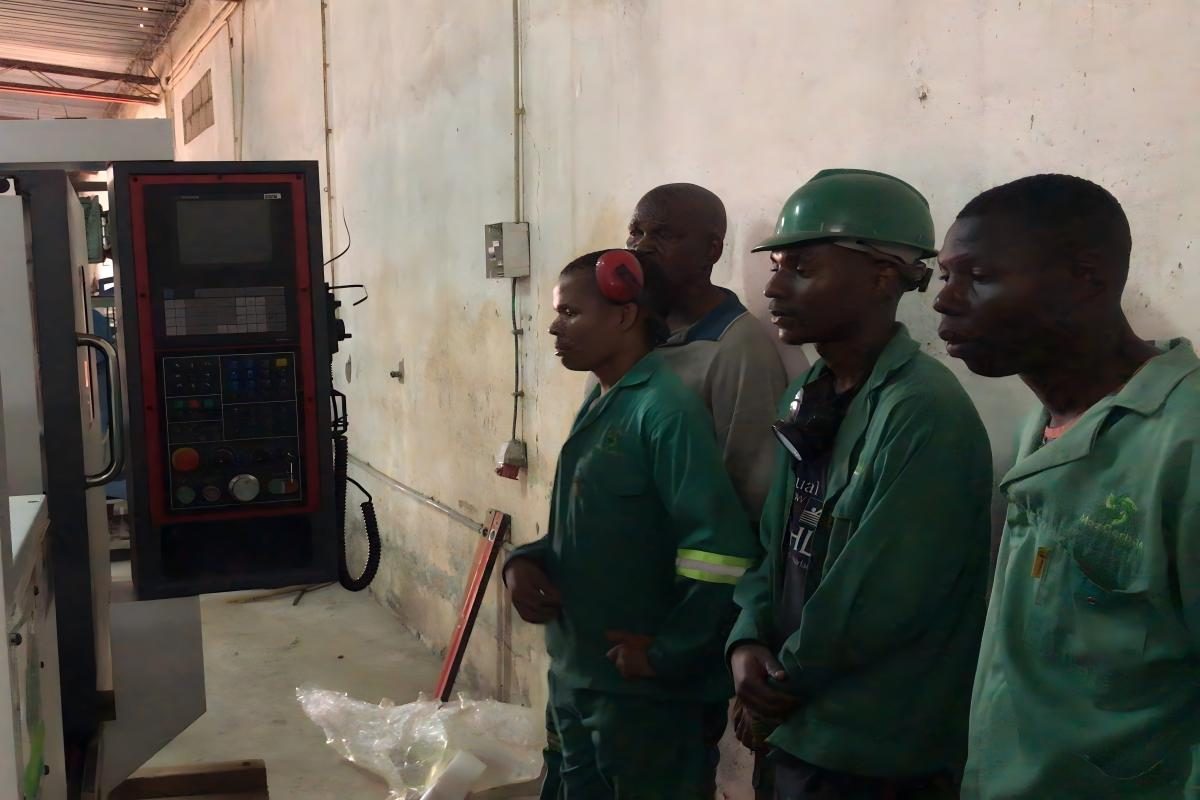
Here’s the scene in numbers: one shop lost 4% of monthly output to unplanned downtime; vibration spikes predicted failure only 30% of the time. I share these details because I’ve been in that shop, and I’ve felt the frustration when toolpaths and G-code behave perfectly on paper but fail in practice. Let’s treat this like a short lesson: identify the scenario, read the data, then ask the right question. We’ll move from that moment on the floor to practical fixes next.
Where common fixes fall short (and what users really feel)
Why do quick fixes keep failing?
cnc services near me searches often point to reactive repairs: tightened bolts, swapped tools, or a tune-up after the fact. Those moves work in the moment but miss deeper causes like misaligned fixtures, inconsistent axis calibration, or intermittent power converter issues. I say this from experience — patching symptoms is a short-lived comfort. The result: machines restart, the same alarms reappear, and trust erodes among operators.
Technically speaking, many shops lack a unified view: vibration logs sit in one system, spindle temperature in another, and tool-life data in spreadsheets. Without integrated telemetry — sometimes even edge computing nodes to process data at the machine — patterns get buried. Look, it’s simpler than you think: when data streams are disjointed, predictive insight is impossible. Operators feel frustrated. Managers feel blind. And customers? They feel delays. We need to stop celebrating single fixes and start demanding system-level clarity.
New technology principles for smarter CNC service
What’s next for diagnostics and uptime?
We should shift to principles that matter: unified telemetry, actionable thresholds, and closed-loop feedback. I believe in three practical moves. First, capture consistent telemetry (spindle load, axis vibration, tool wear) and normalize it so anomalies are comparable across machines. Second, run simple local analytics — tiny edge computing nodes that flag real drift before it becomes a failure. Third, feed that insight into scheduled maintenance that’s actually timed to part runs and tool life, not just calendar days. These aren’t buzzwords — they’re steps I’ve tested in small shops and larger shops alike — funny how that works, right?
When shops adopt these principles and work with partners who understand both hardware (spindle dynamics, fixture rigidity) and software (G-code validation, toolpath simulation), downtime drops. We recommended combining remote logs with on-site checks; the hybrid approach preserved nuance while improving response times. I’ve seen lead times shorten and scrap rates decline as a direct result. If you’re weighing options, consider how well a provider integrates data sources and whether they can advise on both tooling and control strategies.
Picking the right partner: 3 practical metrics to evaluate solutions
To finish, here are three concrete metrics I use when evaluating a CNC service solution — these help me separate talk from real capability.
1) Data Integration Depth — Can the provider collect spindle, axis, and tool data from legacy controllers and modern drives? If not, they’ll miss the slow-building faults. 2) Predictive Accuracy — Do their alerts reduce unexpected stops in real trials, not just demos? Ask for before-and-after uptime numbers. 3) Actionability — Does their output translate into clear tasks for technicians (adjust fixture, replace bearing, update feed rates), or is it vague? Actionable guidance matters more than fancy dashboards.
We’ve come a long way from reactive repairs to smarter, data-driven maintenance. I’m excited about the gains when shops pair practical telemetry with experienced technicians — the kind who read vibration traces like a nurse reads a chart. If you want real service that combines hands-on know-how and data, look at a partner who does both. For practical custom work, consider custom cnc machining services as an example of blending shop-floor skill with data-aware processes. Thanks for sticking with me — and if you have a specific pain point, I’ll jump in and help you translate the noise into a plan.
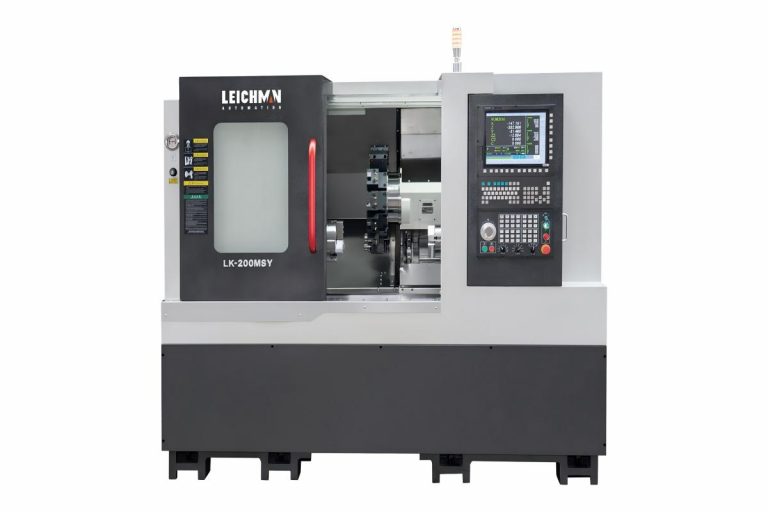
Closing note: choose partners who can prove improvements with numbers, and who can walk the shop floor with you — that human touch still counts. Leichman