
When it comes to modern architecture and interior design, flexibility in materials is key. One material that has revolutionized design possibilities is the Aluminum Composite Panel (ACP) sheet.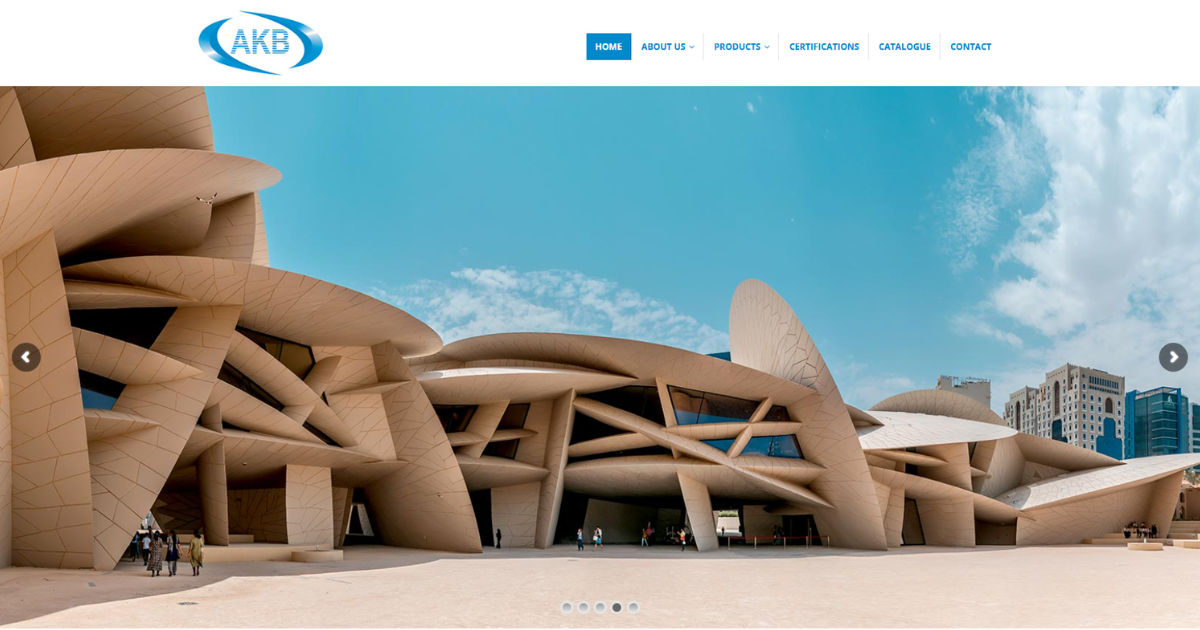
Companies like Akbari Engineering have made ACP sheets highly accessible for creative and structural applications.
These sheets are versatile, durable, and can be bent or shaped to meet a wide range of design needs, making them ideal for facades, signage, interior cladding, and more.
In this guide, we’ll explore how ACP sheets are bent for design use, including methods, tools, safety, and practical tips.
What Are ACP Sheets?
ACP sheets are composite materials made from two thin layers of aluminum enclosing a non-aluminum core. This design gives them a unique combination of rigidity, lightweight, and flexibility. ACP sheets are available in various thicknesses, colors, and finishes, which makes them suitable for aesthetic and functional purposes.
Key benefits of ACP sheets include:
- Lightweight for easy handling and installation.
- Durable and resistant to corrosion, weather, and impact.
- Smooth surface suitable for painting or laminates.
- Flexibility to be bent or curved for design applications.
Understanding these benefits is essential before diving into bending techniques, as improper handling can compromise both appearance and structural integrity.
Why Bend ACP Sheets?
Bending ACP sheets opens up many design possibilities. Here are some common reasons for bending:
- Architectural Facades: Modern building designs often require curved or angled surfaces that straight panels cannot achieve.
- Signage and Displays: Curved signs or letters stand out more than flat panels.
- Interior Design: Ceilings, partitions, and decorative walls can have unique curves and shapes for a modern look.
- Functional Applications: Some bends improve drainage, ventilation, or structural stability.
With the right technique, bending ACP sheets is not only practical but also adds a visually striking element to any project.
Tools and Equipment Needed
Bending ACP sheets requires specialized tools to ensure precision and prevent damage. Here’s a list of commonly used equipment:
- Roll Bending Machine: Ideal for large-radius bends.
- Press Brake: Used for sharp, precise bends at specific angles.
- Hand Bending Tools: For small projects or custom shapes.
- Heat Gun or Hot Air Blower: Helps in bending ACP sheets without cracking.
- Measuring Tape and Marking Tools: Essential for accurate bending.
- Safety Gear: Gloves, safety glasses, and protective clothing.
Choosing the right tool depends on the type of bend, sheet thickness, and project scale.
Methods for Bending ACP Sheets
There are multiple methods to bend ACP sheets, each suitable for different types of bends and design goals.
1. Cold Bending
Cold bending is done without heating the ACP sheet. This method is ideal for gentle curves with a large radius.
Process:
- Measure and mark the bend line on the ACP sheet.
- Use a roll bending machine or hand tools to gradually apply pressure along the marked line.
- Bend slowly to avoid cracking the aluminum layers.
Advantages:
- No heat is required.
- Suitable for large-radius curves.
- Minimal risk of discoloration or surface damage.
Limitations:
- Not suitable for tight curves or sharp bends.
- Requires experienced handling for precise results.
2. Heat Bending
Heat bending is used when sharper curves or small-radius bends are needed. Heat softens the aluminum and core, making the sheet more pliable.
Process:
- Preheat the bend area using a heat gun or hot air blower.
- Maintain uniform heat to avoid warping.
- Carefully bend the sheet along the desired line using a press brake or manual bending tools.
- Allow the sheet to cool gradually to retain its shape.
Advantages:
- Allows sharper bends and tighter curves.
- Reduces the risk of cracking if done properly.
Limitations:
- Requires precise temperature control.
- Overheating can damage the finish or cause discoloration.
3. V-Grooving
V-grooving is a method where a thin V-shaped groove is cut along the back of the ACP sheet to facilitate bending.
Process:
- Measure and mark the bend line.
- Use a V-grooving machine to cut a precise groove along the aluminum back.
- Bend the sheet along the groove manually or using a press brake.
Advantages:
- Allows very precise bends.
- Useful for creating intricate designs.
Limitations:
- Reduces structural strength along the groove line.
- Not suitable for very thick panels.
Tips for Bending ACP Sheets
To ensure successful bending of ACP sheets, follow these practical tips:
- Always Measure Twice: Accuracy is critical; even small errors can ruin the design.
- Check Sheet Thickness: Thicker sheets require more force and may need heat.
- Avoid Sharp Angles: Sharp bends increase the risk of cracking. Gradual curves are safer.
- Use Heat Judiciously: Overheating can warp or discolor the panel.
- Support During Bending: Use jigs or clamps to maintain the desired curve.
- Test Before Full Application: Use a small test piece to perfect technique.
These tips help reduce waste, save time, and maintain a professional finish.
Safety Considerations
Bending ACP sheets can be hazardous if proper safety measures are ignored.
- Wear gloves to protect against sharp aluminum edges.
- Use safety glasses to prevent injury from flying metal fragments.
- Ensure proper ventilation if using heat.
- Avoid excessive force to prevent panel damage or tool malfunction.
- Keep hands and clothing away from machinery.
Following safety precautions ensures a smooth and accident-free workflow.
Design Applications of Bent ACP Sheets
Bending ACP sheets is not just about functionality—it enhances aesthetics and architectural creativity.
1. Building Facades
Curved and angled ACP panels transform building exteriors, providing a modern and eye-catching look. Architects can use bent sheets to create flowing lines, convex or concave shapes, and unique patterns.
2. Interior Decor
Interior designers use bent ACP sheets for false ceilings, partitions, and wall cladding. The material allows for creative shapes that add depth and dimension to indoor spaces.
3. Signage
Bent ACP sheets are commonly used for custom signage, channel letters, and promotional displays. Curved signs attract more attention and look professional.
4. Furniture and Fixtures
Innovative designers incorporate bent ACP sheets into furniture, such as curved panels for desks, counters, or storage units, offering both strength and aesthetic appeal.
Advantages of Bent ACP Sheets
Bending ACP sheets offers several advantages that make them ideal for design purposes:
- Flexibility in Design: Curved shapes allow more creative freedom.
- Durability: Even when bent, ACP sheets maintain their strength and longevity.
- Lightweight: Easier to install compared to solid metal sheets.
- Cost-Effective: Bending panels saves the need for multiple custom components.
- Versatility: Suitable for both indoor and outdoor applications.
With companies like Akbari Engineering providing high-quality ACP sheets, designers and architects can achieve ambitious design goals without compromising durability.
Challenges in Bending ACP Sheets
While ACP sheets are versatile, there are challenges to consider:
- Risk of Cracking: Sharp bends or improper handling can crack the panel.
- Surface Damage: Heat or mechanical tools can scratch or discolor the finish.
- Structural Weakness: Over-bending may weaken the sheet in certain areas.
- Equipment Cost: Professional machines like press brakes or roll benders can be expensive.
Awareness of these challenges helps in planning the bending process and reducing errors.
Best Practices for Designers and Contractors
- Collaborate with Suppliers: Work closely with suppliers like Akbari Engineering for recommendations on sheet type, thickness, and bending methods.
- Plan the Design: Sketch and model bends digitally to visualize results.
- Use Quality Tools: Invest in reliable bending machines and hand tools.
- Monitor Temperature: When using heat, control temperature carefully to avoid panel damage.
- Regular Training: Ensure staff is trained in bending techniques and safety procedures.
Following best practices ensures smooth execution, fewer mistakes, and professional results.
Conclusion
Bending ACP sheets has become a cornerstone of modern architectural and interior design. With their combination of flexibility, durability, and aesthetic appeal, ACP sheets enable designers to push creative boundaries. Methods like cold bending, heat bending, and V-grooving allow for various applications, from smooth curves to sharp angles.
However, success requires proper planning, precision, and safety. Utilizing high-quality ACP sheets from trusted providers like Akbari Engineering ensures the final product meets both functional and visual standards. By understanding the tools, techniques, and challenges involved, designers and contractors can fully harness the potential of bent ACP sheets to transform buildings, interiors, and displays into striking, modern works of art.
Bending ACP sheets is more than a construction technique; it’s a bridge between engineering and creativity. With the right approach, even a simple sheet of aluminum can become a masterpiece of modern design.