
The rise of digital technology has brought a new kind of relationship into our lives—one with intelligent software. An AI companion App is designed to talk, listen, and even understand emotions to some degree.
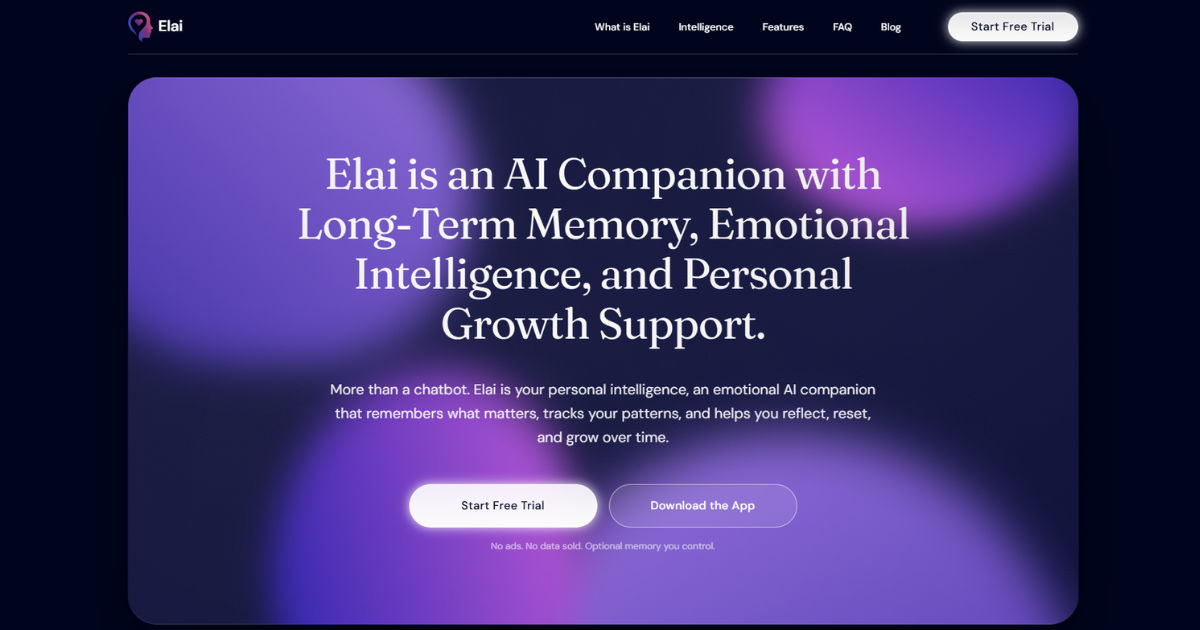 From helping users cope with loneliness to acting as a productivity partner, these apps are becoming more popular every day.
But with this growing popularity comes a serious question: how safe is your privacy data when using an AI companion App?
This guide explores the topic in detail. We will break down how these apps work, what data they collect, potential risks, and how you can protect yourself. By the end, you will have a clear understanding of whether using an AI companion App is safe and what precautions you should take.
What Is an AI Companion App?
An AI companion App is a software application powered by artificial intelligence that interacts with users in a human-like way. These apps often use chat, voice, and sometimes even visual avatars to simulate real conversations.
Key Features
- Natural language conversations
- Emotional responses and memory
- Personalization based on user behavior
- Continuous learning from interactions
These features make the AI companion App feel more personal, but they also require access to user data—which brings us to privacy concerns.
What Kind of Data Does an AI Companion App Collect?
To function effectively, an AI companion App collects different types of data. Understanding this is the first step toward evaluating its safety.
Personal Information
- Name, age, and email
- Profile preferences
- Location data (in some cases)
Conversation Data
- Chat messages
- Voice recordings
- Emotional tone and sentiment
Behavioral Data
- App usage patterns
- Interaction frequency
- Preferences and interests
Device Data
- IP address
- Device type
- Operating system
All of this data helps improve the experience, but it also raises privacy concerns if not handled properly.
Why Does an AI Companion App Need Your Data?
The main reason an AI companion App collects data is to improve user experience.
Personalization
The app learns your likes and dislikes to provide better responses.
Emotional Understanding
Some apps analyze your tone and words to respond empathetically.
Continuous Learning
The more you interact, the smarter the AI becomes.
While these features are beneficial, they also mean your personal data is constantly being processed and stored.
Is Your Data Safe in an AI Companion App?
The safety of your data in an AI companion App depends on several factors, including the company behind it and the security measures in place.
Data Encryption
Most modern apps use encryption to protect data during transfer. This means your conversations are harder to intercept.
Secure Storage
Reputable apps store data in secure servers with advanced protection systems.
Privacy Policies
A trustworthy AI companion App will clearly explain how your data is used and stored.
However, not all apps follow strict standards, which is where risks come in.
Common Privacy Risks
Even though many developers take precautions, using an AI companion App is not risk-free.
Data Breaches
Hackers may target apps to steal sensitive information.
Misuse of Data
Some companies may use your data for advertising or sell it to third parties.
Over-Collection
Apps may collect more data than necessary.
Emotional Manipulation
Because an AI companion App understands emotions, it could potentially influence users in subtle ways.
How Companies Handle Your Data
Different companies handle data differently. When using an AI companion App, it is important to know how your information is managed.
Data Storage Duration
Some apps store data permanently, while others delete it after a certain period.
Third-Party Sharing
Data may be shared with partners for analytics or advertising.
Anonymization
Some apps remove identifying details before using data for research.
Reading the privacy policy of an AI companion App is essential before using it.
Legal Regulations and Privacy Protection
Governments around the world are creating laws to protect user data.
General Data Protection Regulation (GDPR)
Protects users in Europe by giving them control over their data.
California Consumer Privacy Act (CCPA)
Gives California residents rights over their personal information.
These laws force developers of an AI companion App to follow strict rules about data handling.
Benefits vs Risks of Using an AI Companion App
Benefits
- Emotional support
- Convenience
- Personal growth
- Entertainment
Risks
- Privacy concerns
- Data misuse
- Dependency on AI
Using an AI companion App involves balancing these benefits and risks.
How to Protect Your Privacy
You can take steps to protect your data while using an AI companion App.
Choose Trusted Apps
Only download apps from reputable developers.
Read Privacy Policies
Understand how your data is used before signing up.
Limit Personal Information
Avoid sharing sensitive details like passwords or financial information.
Use Strong Passwords
Protect your account with a secure password.
Disable Unnecessary Permissions
Turn off access to location or microphone if not needed.
Signs of a Safe AI Companion App
Not all apps are equal. Here are signs that an AI companion App is safe:
- Clear privacy policy
- Data encryption
- Option to delete data
- No excessive permissions
- Transparent data usage
If an app lacks these features, it may not be trustworthy.
Ethical Concerns Around AI Companion Apps
Beyond privacy, there are ethical questions about using an AI companion App.
Emotional Attachment
Users may become too attached to AI companions.
Data Ownership
Who really owns your data?
Transparency
Users should know they are interacting with AI, not humans.
These concerns highlight the importance of responsible development and usage.
The Future of AI Companion App Privacy
As technology advances, privacy protection is expected to improve.
Better Encryption
Stronger security systems will protect data.
More Regulations
Governments will introduce stricter laws.
User Control
Users may get more control over their data.
The future of the AI companion App looks promising, but challenges remain.
Should You Use an AI Companion App?
The answer depends on your needs and comfort level.
If you value convenience and emotional support, an AI companion App can be helpful. However, if you are concerned about privacy, you should be cautious.
Always weigh the benefits against the risks before using an AI companion App.
Practical Tips for Safe Usage
Here are some easy tips to stay safe:
- Do not share sensitive personal details
- Regularly review app permissions
- Delete conversations if possible
- Update the app regularly
- Use privacy settings
These steps can make your experience with an AI companion App safer.
Conclusion
An AI companion App is a powerful tool that can provide comfort, support, and convenience. However, it comes with important privacy considerations. These apps collect and process large amounts of personal data to function effectively, which creates potential risks.
The safety of your data depends on how the app is designed and how responsibly it is used. By choosing trusted platforms, understanding privacy policies, and taking basic precautions, you can reduce the risks significantly.
Ultimately, the AI companion App is neither completely safe nor completely unsafe. It exists in a middle ground where user awareness plays a crucial role. As technology continues to evolve, privacy protections will likely improve, making these apps safer in the future.
Until then, staying informed and cautious is the best way to enjoy the benefits of an AI companion App without compromising your personal data.