
The phrase hemp-derived THC has become one of the most discussed topics in the cannabis industry. Consumers, lawmakers, manufacturers, and retailers are all trying to understand what it means under current U.S. hemp regulations.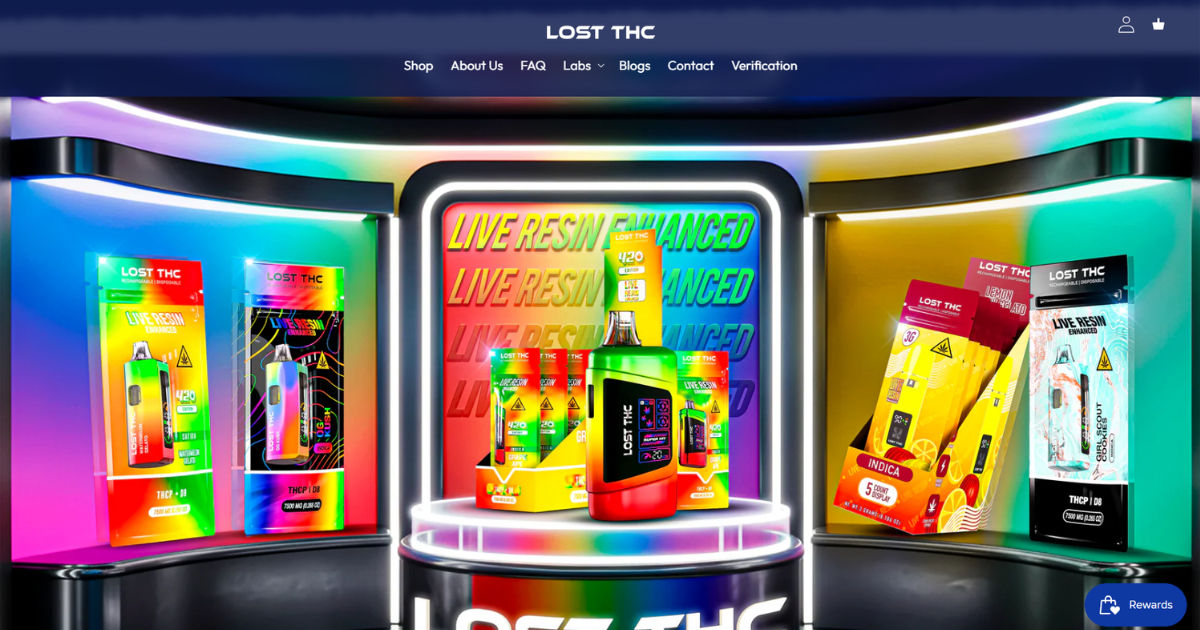
Products such as Lost THC V2 7.5 Gram THCA Disposable have become popular because many buyers believe hemp-derived cannabinoids exist in a legal gray area that allows access to THC products in states where marijuana remains restricted.
As interest grows, people want clear answers. They want to know how hemp-derived THC is defined, how federal law treats it, and why products like Lost THC V2 7.5 Gram THCA Disposable are widely marketed online and in smoke shops across the United States.
Understanding hemp laws is not always easy. Regulations are complex, and state laws often differ from federal guidance. Still, learning the basics can help consumers make smarter decisions and better understand the risks and opportunities connected to hemp-derived THC products.
This guide explains the meaning of hemp-derived THC under U.S. hemp rules, how the 2018 Farm Bill changed the cannabis industry, why products like Lost THC V2 7.5 Gram THCA Disposable became so common, and what future regulations may look like.
Hemp and THC
To understand hemp-derived THC, it is important to first understand hemp itself.
Hemp is a variety of the cannabis plant. Under federal law, hemp is defined by the amount of delta-9 THC it contains. THC is the psychoactive compound responsible for the “high” commonly linked with marijuana.
The 2018 Farm Bill created the modern federal definition of hemp. According to federal rules, hemp is cannabis containing no more than 0.3% delta-9 THC on a dry-weight basis. Cannabis plants above that limit are legally classified as marijuana.
This distinction completely changed the hemp market in the United States.
Before the Farm Bill, hemp was heavily restricted. After the law passed, hemp and hemp-derived compounds became federally legal if they stayed below the 0.3% delta-9 THC threshold.
That legal change opened the door for products like Lost THC V2 7.5 Gram THCA Disposable and many other hemp-derived cannabinoid items.
What Does Hemp-Derived THC Mean?
Hemp-derived THC refers to THC compounds that come from federally legal hemp rather than marijuana.
This includes cannabinoids extracted, converted, or processed from hemp plants that meet the federal definition of hemp.
Many consumers assume hemp products cannot produce intoxicating effects. That assumption is incorrect.
Some hemp-derived cannabinoids can still create psychoactive effects similar to marijuana. This is why products like Lost THC V2 7.5 Gram THCA Disposable have gained so much attention.
The key issue is the source of the THC.
If the THC comes from hemp containing less than 0.3% delta-9 THC, manufacturers often argue the resulting products qualify as legal hemp products under federal law.
This legal interpretation helped fuel a massive industry focused on cannabinoids such as:
- Delta-8 THC
- Delta-9 THC from hemp
- Delta-10 THC
- THCA
- THC-O
- HHC
Many vape products, gummies, flowers, tinctures, and disposables now contain these cannabinoids.
Products like Lost THC V2 7.5 Gram THCA Disposable are examples of how hemp-derived cannabinoids are marketed to consumers seeking strong effects while remaining within hemp regulations.
The Role of the 2018 Farm Bill
The 2018 Farm Bill is the foundation of modern hemp regulation in the United States.
The law removed hemp from the federal Controlled Substances Act. It also legalized hemp cultivation and allowed interstate transportation of hemp products.
Most importantly, the law defined hemp based on delta-9 THC concentration.
The law stated that hemp includes cannabis plants and derivatives containing no more than 0.3% delta-9 THC on a dry-weight basis.
This wording created what many industry experts call a loophole.
The law specifically focused on delta-9 THC but did not clearly address many other cannabinoids.
Because of this, manufacturers started creating products using cannabinoids derived from legal hemp.
That is why products such as Lost THC V2 7.5 Gram THCA Disposable became available nationwide.
Many businesses argued that if the starting hemp material met federal standards, the final products could also qualify as legal hemp items.
The hemp market expanded rapidly after the Farm Bill passed.
Why Hemp-Derived THC Products Became Popular
Hemp-derived THC products became popular for several reasons.
First, they are often easier to access than marijuana products.
In many states, marijuana remains illegal or heavily restricted. Hemp-derived products, however, may still be sold in smoke shops, vape stores, gas stations, and online.
Second, consumers are interested in psychoactive effects.
Products like Lost THC V2 7.5 Gram THCA Disposable appeal to users seeking experiences similar to marijuana without visiting a licensed dispensary.
Third, hemp-derived products are available in many forms.
Consumers can buy:
- Vape disposables
- Gummies
- Hemp flower
- Edibles
- Oils
- Capsules
- Concentrates
The convenience and variety helped drive demand.
Marketing also played a major role.
Manufacturers promoted products like Lost THC V2 7.5 Gram THCA Disposable as federally compliant hemp products, making them attractive to curious consumers.
Understanding THCA and Hemp Rules
THCA is another important topic in the hemp industry.
THCA stands for tetrahydrocannabinolic acid.
It is the non-intoxicating precursor to delta-9 THC.
When THCA is heated through smoking, vaping, or cooking, it converts into delta-9 THC.
This process is called decarboxylation.
Products such as Lost THC V2 7.5 Gram THCA Disposable often focus heavily on THCA because it occupies a controversial area of hemp regulation.
Some hemp flower products may contain high levels of THCA while still remaining below the federal delta-9 THC limit before heating.
Critics argue this effectively allows marijuana-like products to be sold under hemp laws.
Supporters argue that federal law specifically focuses on delta-9 THC levels, not total THC potential.
This disagreement is one reason hemp laws continue to evolve.
Federal Agencies and Hemp-Derived THC
Several federal agencies play roles in hemp regulation.
USDA
The United States Department of Agriculture oversees hemp cultivation.
The USDA manages hemp production programs and testing requirements for growers.
FDA
The Food and Drug Administration regulates foods, supplements, cosmetics, and therapeutic products.
The FDA has repeatedly warned companies against making unapproved medical claims about hemp-derived cannabinoids.
The agency also raised concerns about safety, labeling, and accidental exposure to children.
DEA
The Drug Enforcement Administration monitors controlled substances.
The DEA has suggested that synthetically produced cannabinoids may still qualify as illegal substances even if they originate from hemp.
This creates uncertainty for products like Lost THC V2 7.5 Gram THCA Disposable.
The legal landscape continues to change as agencies release guidance and courts interpret hemp laws differently.
State Laws Often Differ
Federal law is only part of the story.
State laws vary widely.
Some states allow hemp-derived THC products with few restrictions.
Others have banned or limited cannabinoids such as delta-8 THC and THCA products.
A product considered federally compliant may still violate state law.
Consumers purchasing Lost THC V2 7.5 Gram THCA Disposable should understand their local laws before buying or using hemp-derived THC products.
Some states require age verification.
Others limit THC concentrations or ban specific cannabinoids entirely.
This patchwork system makes the hemp market confusing for businesses and consumers alike.
Hemp-Derived THC vs Marijuana THC
Chemically, hemp-derived THC and marijuana-derived THC are extremely similar.
The biggest difference is legal classification.
Under federal law, the source of the cannabinoid matters.
THC derived from hemp may qualify as legal under certain conditions.
THC derived from marijuana remains federally illegal.
For consumers, the effects can feel very similar.
Products like Lost THC V2 7.5 Gram THCA Disposable may produce psychoactive experiences comparable to marijuana products depending on potency and cannabinoid content.
This is one reason regulators continue debating how hemp-derived cannabinoids should be controlled.
Common Types of Hemp-Derived THC
The hemp market now includes many different forms of THC.
Delta-8 THC
Delta-8 THC became one of the fastest-growing hemp cannabinoids after the 2018 Farm Bill.
Users often describe it as producing milder effects than traditional delta-9 THC.
Delta-9 THC from Hemp
Some products contain hemp-derived delta-9 THC while staying below the legal dry-weight limit.
Edibles may legally contain measurable THC amounts if the total product weight keeps the percentage under 0.3%.
THCA
THCA products such as Lost THC V2 7.5 Gram THCA Disposable remain highly controversial because THCA converts into delta-9 THC when heated.
Delta-10 THC
Delta-10 THC is another hemp-derived cannabinoid marketed for energizing effects.
HHC
HHC is a hydrogenated cannabinoid that some companies market as an alternative to traditional THC.
The popularity of these products shows how quickly the hemp industry continues to innovate.
Safety Concerns Around Hemp-Derived THC
The rapid growth of the hemp industry created safety concerns.
Not all products undergo strict testing.
Some products may contain:
- Incorrect potency levels
- Residual solvents
- Heavy metals
- Pesticides
- Contaminants
Consumers should research brands carefully.
Third-party lab testing is extremely important.
Products like Lost THC V2 7.5 Gram THCA Disposable should ideally include certificates of analysis from independent laboratories.
These reports help confirm cannabinoid content and product purity.
Another concern involves packaging and marketing.
Some regulators worry that colorful branding may appeal to minors.
The FDA and state agencies continue monitoring these issues.
Why the Hemp Industry Faces Legal Uncertainty
The hemp industry remains unstable because regulations continue changing.
Congress, federal agencies, courts, and state lawmakers are all debating how hemp-derived THC should be regulated.
Some lawmakers argue intoxicating hemp products were never intended under the Farm Bill.
Others believe hemp businesses are operating legally based on the current wording of federal law.
This uncertainty affects products like Lost THC V2 7.5 Gram THCA Disposable.
Manufacturers, retailers, and consumers all face potential legal risks if rules change.
Future legislation could:
- Redefine hemp
- Restrict THCA products
- Ban certain cannabinoids
- Increase testing requirements
- Create age restrictions
- Require stronger labeling rules
The industry may look very different in the coming years.
Consumer Interest Continues to Grow
Despite legal debates, consumer demand remains strong.
Many users prefer hemp-derived THC products because they are easier to access than marijuana products.
Others enjoy experimenting with newer cannabinoids.
Products like Lost THC V2 7.5 Gram THCA Disposable attract attention because they combine convenience, potency, and modern vape technology.
Social media also helped increase awareness of hemp-derived THC products.
Influencers, review channels, and online communities regularly discuss new hemp products and cannabinoid experiences.
This online culture contributed to the explosive growth of the hemp market.
The Importance of Lab Testing
Lab testing plays a major role in hemp compliance.
Testing determines whether products remain below legal THC limits.
Reputable companies usually provide third-party laboratory reports.
These reports may include:
- Delta-9 THC content
- THCA levels
- Cannabinoid profiles
- Heavy metal testing
- Pesticide screening
- Solvent analysis
Consumers interested in products like Lost THC V2 7.5 Gram THCA Disposable should always review available testing information.
Without testing, buyers cannot easily verify product quality or legality.
Hemp-Derived THC and Drug Testing
Many consumers misunderstand how drug tests work.
Using hemp-derived THC products may still trigger a positive drug test.
Most drug tests do not distinguish between hemp-derived THC and marijuana-derived THC.
Even federally compliant products can create problems for workers subject to employment testing.
Consumers using products like Lost THC V2 7.5 Gram THCA Disposable should understand this risk before use.
Online Sales and Shipping
One reason hemp-derived THC products spread so quickly is online availability.
Many companies ship products directly to consumers.
Online stores often advertise hemp-derived THC products as federally compliant.
However, shipping rules may vary by state.
Some states restrict imports of specific cannabinoids.
Consumers purchasing Lost THC V2 7.5 Gram THCA Disposable online should review both federal and local regulations.
The Future of Hemp-Derived THC
The future of hemp-derived THC remains uncertain.
Lawmakers continue debating whether the Farm Bill should be updated.
Some proposed regulations would redefine hemp using total THC rather than only delta-9 THC.
That change could significantly impact THCA products.
If federal rules become stricter, products like Lost THC V2 7.5 Gram THCA Disposable may face new limitations.
At the same time, some states may choose regulated cannabis-style systems for intoxicating hemp products.
This could lead to:
- Mandatory testing
- Licensing systems
- Packaging regulations
- Taxation
- Age restrictions
- Marketing controls
The hemp industry is evolving rapidly.
Consumers and businesses must stay informed as regulations continue changing.
Key Things Consumers Should Remember
Anyone exploring hemp-derived THC products should keep several important points in mind.
Understand Local Laws
Federal legality does not guarantee state legality.
Read Lab Reports
Independent testing helps confirm safety and cannabinoid content.
Buy From Trusted Brands
Reputable companies are more likely to follow quality standards.
Understand Psychoactive Effects
Products like Lost THC V2 7.5 Gram THCA Disposable may still produce intoxicating effects.
Stay Updated on Regulations
Hemp laws continue changing across the United States.
Conclusion
Hemp-derived THC refers to THC compounds that originate from federally legal hemp plants under U.S. hemp laws. The 2018 Farm Bill transformed the cannabis industry by defining hemp as cannabis containing no more than 0.3% delta-9 THC on a dry-weight basis. That single definition created opportunities for a massive new market involving cannabinoids such as delta-8 THC, THCA, hemp-derived delta-9 THC, and many other hemp-based products.
Products like Lost THC V2 7.5 Gram THCA Disposable became popular because they exist within this evolving legal environment. Many manufacturers argue these products qualify as legal hemp products when produced from compliant hemp sources. However, regulators, lawmakers, and courts continue debating whether intoxicating hemp-derived cannabinoids should remain available under current hemp rules.
The legal situation is still developing. Federal agencies such as the FDA, USDA, and DEA all influence hemp regulation, while individual states continue passing their own laws. This creates a complicated and constantly changing landscape for businesses and consumers.
Consumers interested in products such as Lost THC V2 7.5 Gram THCA Disposable should stay informed, review lab testing, understand local laws, and recognize that hemp-derived THC products may still produce psychoactive effects and trigger drug tests.
As the hemp industry continues to grow, regulations will likely become more detailed and structured. Whether stricter federal laws emerge or states continue developing independent systems, hemp-derived THC will remain an important issue in the future of cannabis policy in the United States.