
The fashion world changes quickly, especially when it comes to seasonal clothing. One of the most noticeable differences appears in summer collections, where every brand seems to have its own unique identity.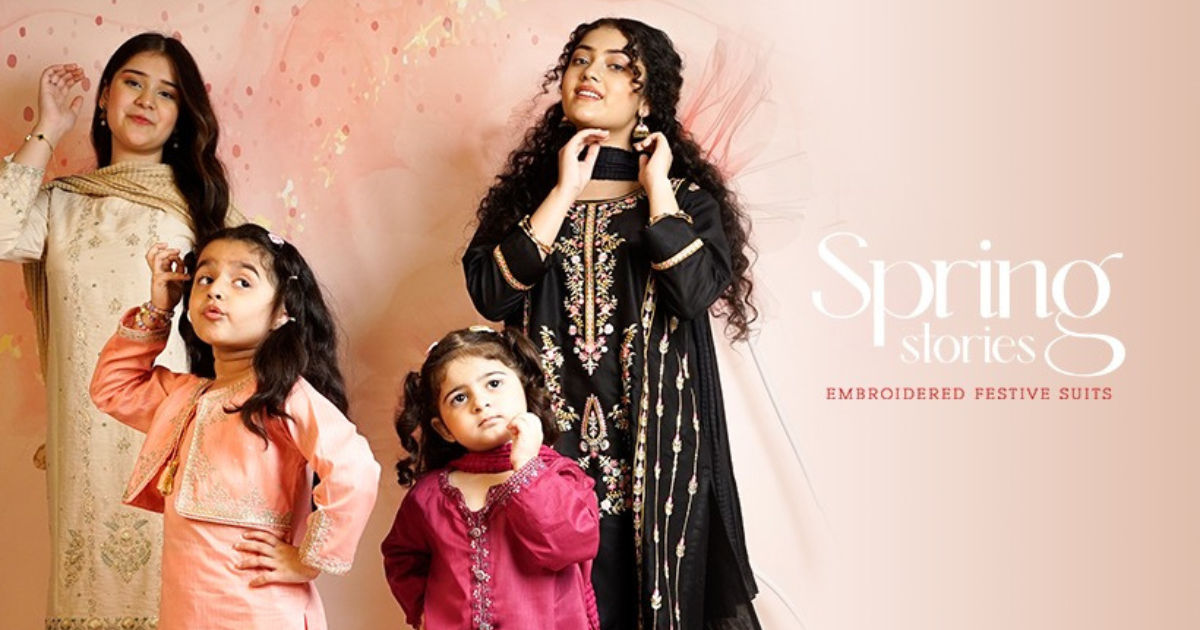
If you pay attention to seasonal launches, you may have noticed how varied designs, cuts, colors, and fabrics are across different labels. This becomes even more visible during a summer sale on brands, when multiple collections are displayed side by side and the differences stand out clearly.
A summer sale on brands is not just a shopping event. It also highlights how each label interprets summer fashion in its own way.
Some brands focus on light and airy minimalism, while others lean toward bold prints or traditional fusion wear. These differences are not random; they come from design philosophy, target audience, fabric sourcing, and cultural influence.
Understanding why summer dresses differ by brand helps you make better fashion choices and appreciate the creativity behind each label. In this guide, we will explore all the key reasons in detail.
The Identity of Fashion Brands
Every fashion brand has a unique identity. This identity shapes everything from fabric selection to final stitching.
A brand is not just a name; it is a creative vision built over time. Some brands focus on luxury and elegance, while others aim for affordability and everyday comfort. These differences become very visible during a summer sale on brands, where collections from multiple labels are compared together.
Design Philosophy Behind Each Label
Design philosophy is the core reason why summer dresses differ.
Some brands follow a minimalist approach. They prefer neutral tones, simple cuts, and breathable fabrics. Their summer collections are usually soft and lightweight.
Other brands focus on expressive fashion. They use floral prints, bright colors, and layered designs to create visually striking outfits. During a summer sale on brands, this contrast becomes obvious because shoppers can compare styles directly.
There are also brands that mix tradition with modern trends. These labels often create summer dresses inspired by cultural patterns but updated with modern tailoring.
Fabric Choices Shape Summer Styles
Fabric selection is one of the most important factors that influence summer dress styles.
Different brands source fabrics differently depending on their budget, target market, and design goals. Cotton, lawn, linen, chiffon, and rayon are commonly used in summer wear, but each brand uses them in a distinct way.
Breathability and Comfort Standards
Some brands prioritize comfort above everything else. They choose ultra-light fabrics that allow maximum airflow. These dresses feel soft and airy, ideal for hot climates.
Other brands balance comfort with structure. They may use slightly thicker fabrics to maintain shape and durability. This creates a more polished look but can feel less airy.
During a summer sale on brands, this difference becomes easy to notice. One brand may offer loose, breathable dresses, while another offers more fitted and structured outfits.
Color Psychology and Brand Identity
Colors play a major role in defining summer fashion. Each brand uses color palettes that match its identity.
Soft vs Bold Summer Palettes
Some labels stick to pastel shades like peach, sky blue, mint green, and soft beige. These colors give a calm and refreshing summer feel.
Other brands prefer bold colors like deep red, royal blue, or bright yellow. These colors create a strong visual impact and attract attention.
A summer sale on brands often highlights this contrast. Shoppers can instantly see how one brand focuses on subtle elegance while another emphasizes vibrant expression.
Cultural Influence on Summer Fashion
Culture plays a huge role in shaping fashion design. Different regions and traditions influence how brands create their summer collections.
Traditional Inspiration in Modern Dresses
Many brands incorporate cultural elements such as embroidery, prints, and traditional patterns. These designs are often modernized for daily wear.
For example, some labels may use floral embroidery inspired by heritage art, while others might include geometric prints influenced by modern design trends.
During a summer sale on brands, cultural diversity becomes visible as each label showcases its interpretation of summer fashion.
Target Audience Differences
Every fashion brand designs clothes for a specific audience. This is one of the strongest reasons why summer dresses look different across labels.
Youth-Focused vs Mature Styles
Brands targeting younger audiences often create trendy, experimental, and playful designs. These include short dresses, asymmetrical cuts, and bold prints.
Brands focused on mature audiences prefer elegant, modest, and timeless designs. Their dresses are often longer, simpler, and more refined.
A summer sale on brands brings both styles together, making the contrast very clear.
Pricing Strategy and Its Impact on Design
Price plays an important role in fashion design decisions.
Luxury vs Affordable Summer Collections
High-end brands often invest in premium fabrics, intricate stitching, and detailed craftsmanship. Their summer dresses are designed with exclusivity in mind.
Affordable brands focus on cost-effective production while still maintaining style. Their designs are simpler but practical for everyday wear.
When a summer sale on brands happens, these pricing differences become more visible because luxury items are often heavily discounted, while affordable pieces remain consistent.
Trend Adaptation by Different Brands
Fashion trends change every season, but not all brands follow them in the same way.
Fast Fashion vs Slow Fashion Approach
Fast fashion brands quickly adapt to global trends. They release new summer designs frequently, often inspired by celebrity styles or runway shows.
Slow fashion brands take a more thoughtful approach. They focus on timeless designs that remain stylish for multiple seasons.
During a summer sale on brands, fast fashion items may look more trend-driven, while slow fashion pieces appear more classic and long-lasting.
Stitching and Craftsmanship Differences
The way a dress is made also affects its appearance.
Machine-Made vs Handcrafted Detail
Some brands rely heavily on machine production. This allows them to create uniform, affordable clothing quickly.
Other brands focus on handcrafted details like embroidery, lacework, or beadwork. These dresses often look more detailed and unique.
A summer sale on brands often reveals this difference in craftsmanship quality, even if the designs look similar at first glance.
Regional Fashion Influences
Where a brand originates also affects its summer dress styles.
Local Climate and Fashion Needs
Brands from hotter regions often prioritize lightweight and breathable clothing. Their summer dresses are designed for extreme heat.
Brands from cooler regions may include slightly heavier fabrics or layered designs, even in summer collections.
This variation becomes noticeable during a summer sale on brands, where global fashion styles are displayed together.
Marketing and Brand Presentation
Marketing also influences how summer dresses are designed and presented.
Visual Branding and Fashion Identity
Some brands use professional photoshoots with beach themes, sunlight aesthetics, and relaxed styling to highlight summer vibes.
Others focus on studio photography with minimal backgrounds to emphasize fabric quality and design details.
During a summer sale on brands, marketing differences affect how shoppers perceive each collection.
Consumer Expectations and Feedback
Brands often design clothes based on what customers want.
Fashion Demand Shapes Design Choices
If customers prefer loose and comfortable dresses, brands will design more relaxed outfits. If demand shifts toward structured and stylish dresses, brands will adjust accordingly.
This feedback loop creates variation across labels. A summer sale on brands reflects this clearly because it shows how different brands respond to customer expectations.
Why Variety in Summer Dresses Is Actually a Good Thing
The differences between brands are not a problem; they are a strength of the fashion industry.
Fashion Freedom and Personal Expression
Because each brand offers something unique, customers have more freedom to express their personal style. Some people prefer soft pastel dresses, while others enjoy bold and artistic designs.
A summer sale on brands gives shoppers the opportunity to explore this variety in one place, making fashion more accessible and diverse.
How to Choose the Right Summer Dress Brand
Choosing the right brand depends on your personal needs and preferences.
Matching Style with Comfort
If comfort is your priority, choose brands that focus on breathable fabrics and simple cuts. If you want trendy looks, go for labels that follow fast fashion trends.
If durability matters most, select brands known for quality stitching and long-lasting materials.
A summer sale on brands is the perfect time to compare all these options and make an informed decision.
Future of Summer Fashion Trends
Summer fashion continues to evolve every year.
Sustainability and Innovation
More brands are now focusing on eco-friendly fabrics and sustainable production methods. This is changing how summer dresses are designed and produced.
Technology is also influencing fashion, with digital printing and smart fabrics becoming more common.
In upcoming years, a summer sale on brands may highlight even more innovation in design and sustainability.
Conclusion
Summer dress styles vary widely across different fashion labels due to a combination of design philosophy, fabric choice, cultural influence, target audience, pricing strategy, and marketing approach. Each brand brings its own identity to seasonal fashion, making summer collections diverse and unique.
A summer sale on brands is more than just a shopping opportunity; it is a showcase of creativity, innovation, and cultural expression. It allows consumers to see how different designers interpret the same season in completely different ways.
Understanding these differences helps shoppers make better decisions and appreciate the effort behind each design. Instead of seeing variation as confusion, it should be viewed as a celebration of fashion diversity.
In the end, summer fashion is not about one perfect style—it is about many styles coexisting and allowing everyone to find what suits them best.