
Internet Protocol Television (IPTV) has become one of the most popular ways to watch television content through an internet connection. Instead of depending on traditional cable or satellite services, users can stream live channels, movies, sports, and shows through IPTV platforms.
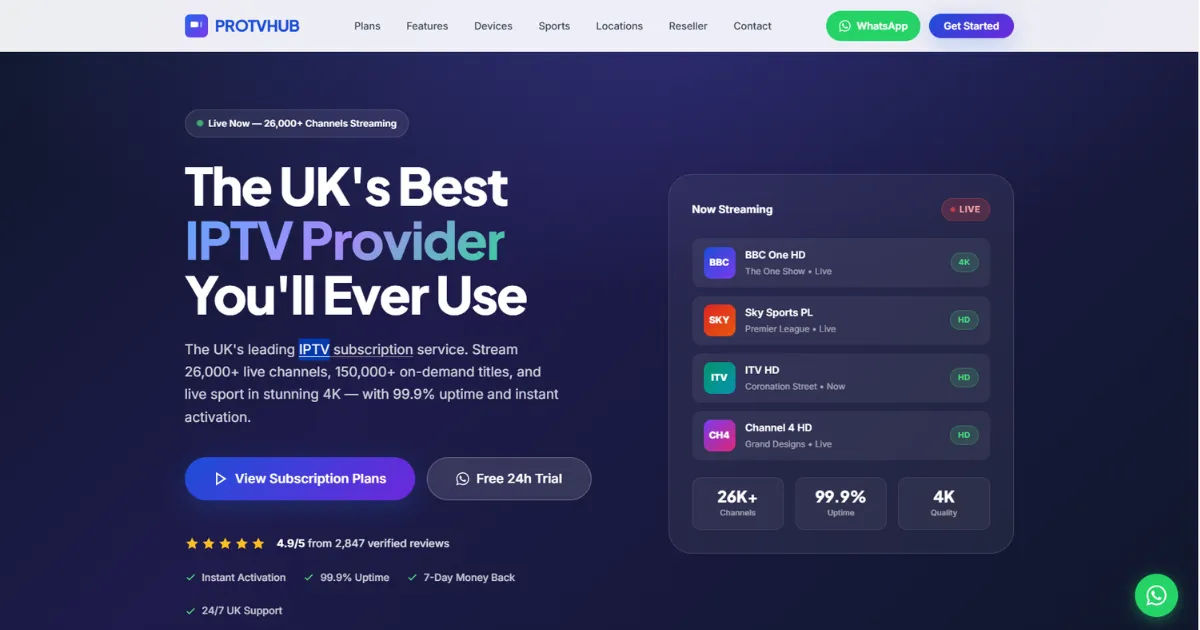
Many viewers who explore IPTV options, including services like ProTVHub, often ask an important question: Does IPTV need a VPN?The simple answer is that a VPN is not always required for IPTV, but it can provide additional privacy, security, and a smoother streaming experience in certain situations.
Understanding how VPNs work with IPTV can help users make better decisions before choosing their preferred streaming setup.This guide explains everything you need to know about using a VPN with IPTV, including benefits, limitations, security concerns, performance effects, and whether you actually need one for your IPTV experience.
What Is IPTV?
IPTV stands for Internet Protocol Television. It is a technology that delivers television content through internet networks instead of traditional broadcasting methods. With IPTV, users can watch channels and video content on devices connected to the internet.
Unlike cable television, IPTV does not require a physical connection from a television provider. Instead, content is transferred through internet data packets. This makes IPTV flexible and accessible on many devices, including smart TVs, smartphones, computers, tablets, and streaming devices.
Many modern IPTV services provide access to live television channels, video-on-demand libraries, sports programs, documentaries, and entertainment content. Platforms such as ProTVHub focus on providing users with convenient streaming options that work across different devices.
The popularity of IPTV continues to grow because people want more control over what they watch and when they watch it. Traditional television schedules are becoming less attractive as viewers prefer flexible streaming solutions.
What Is A VPN?
A VPN, or Virtual Private Network, is a tool that creates a secure connection between your device and the internet. It works by encrypting your internet traffic and routing it through a remote server.
When you use a VPN, your real IP address is hidden, and websites or online services see the VPN server’s address instead. This improves online privacy and makes it more difficult for third parties to monitor your internet activity.
A VPN is commonly used for:
Protecting Online Privacy
A VPN helps keep your online activities private by encrypting your connection. Internet providers, advertisers, and other third parties may have less visibility into your browsing behavior.
Improving Security On Public Networks
Public WiFi networks in cafes, airports, and hotels can sometimes create security risks. A VPN adds an extra layer of protection when using these connections.
Accessing Different Online Locations
Some internet services restrict content based on location. A VPN can allow users to connect through servers in different countries, depending on availability and legal restrictions.
Does IPTV Need A VPN?
IPTV does not technically require a VPN to work. Most IPTV services can function normally using a standard internet connection. If your internet provider allows IPTV traffic and your connection is stable, you may be able to stream without any VPN.
However, many IPTV users choose to use a VPN because it offers additional privacy and can solve certain streaming problems.
For example, some users experience buffering, connection interruptions, or restrictions from their internet provider. In these cases, a VPN may improve the overall experience.
When using services like ProTVHub, a VPN can be considered an optional tool rather than a mandatory requirement. The need depends on your location, internet provider, privacy preferences, and streaming requirements.
Benefits Of Using A VPN With IPTV
A VPN can provide several advantages for IPTV users. While it is not essential for everyone, many people prefer using one for a safer and more flexible streaming experience.
Enhanced Privacy
One of the biggest reasons people use a VPN with IPTV is privacy. Internet providers can potentially monitor traffic patterns, including how much data is being used and which services are being accessed.
A VPN encrypts your connection, making your online activity more private. Users who value confidentiality often prefer combining IPTV with a reliable VPN service.
For viewers using platforms like ProTVHub, privacy protection can provide additional peace of mind while streaming online content.
Avoiding Internet Provider Restrictions
Some internet providers manage network traffic in different ways. During busy periods, they may reduce speeds for activities that consume large amounts of bandwidth, including video streaming.
A VPN can sometimes prevent this type of traffic management because the internet provider cannot easily identify the specific type of traffic being used.
However, results can vary depending on the VPN provider, internet connection, and network conditions.
Accessing Content More Easily
Some IPTV services or channels may have regional limitations. A VPN allows users to connect through servers in different locations, which can help access available content from supported regions.
This feature is one reason VPNs are popular among international viewers who want more flexibility with their streaming options.
Improved Security
Streaming services require internet connections, and every online connection carries certain security risks. A VPN protects data by encrypting information transferred between your device and the internet.
For users who regularly stream IPTV on multiple devices, adding a VPN can improve overall online security.
When Should You Use A VPN For IPTV?
Although a VPN is optional, there are several situations where using one makes sense.
When Your Internet Provider Blocks IPTV Traffic
Some internet providers may restrict access to certain streaming services or websites. If you cannot connect properly, a VPN may help bypass these restrictions.
When You Experience Buffering Problems
Buffering can happen because of many reasons, including slow internet speed, server problems, or network congestion.
A VPN may help in cases where your internet provider is limiting streaming traffic. However, it will not fix every buffering problem.
When You Want More Privacy
If you prefer keeping your online activities private, using a VPN with IPTV is a practical choice.
Many users of ProTVHub and similar platforms choose VPN services because they want additional protection while streaming.
When Traveling
Travelers often use VPNs because their internet location changes when they move between countries. A VPN can help maintain a consistent connection while accessing online services.
Can A VPN Make IPTV Slower?
A common concern is whether a VPN reduces streaming speed. The answer is sometimes yes.
Because a VPN encrypts data and sends traffic through another server, it can slightly reduce internet speed. However, premium VPN services usually minimize this impact.
The effect depends on several factors:
-
Distance between your location and the VPN server
-
Quality of the VPN service
-
Internet connection speed
-
Device performance
-
Server load
A high-quality VPN should provide enough speed for HD and 4K streaming. If your connection is already slow, adding a VPN may create additional performance issues.
For IPTV users who stream through ProTVHub, choosing a fast VPN server close to your location can help maintain better performance.
How To Choose A VPN For IPTV
Not every VPN service provides the same experience. Choosing the right VPN can make a major difference.
Look For High-Speed Servers
Streaming requires stable and fast connections. A VPN should have multiple servers with strong performance.
Check Device Compatibility
A good VPN should support the devices you use for IPTV, including smart TVs, Android devices, computers, and streaming boxes.
Choose Strong Security Features
Important VPN features include encryption, privacy protection, and a reliable connection system.
Avoid Free VPN Services
Free VPNs often have limitations, including slower speeds, fewer servers, and weaker privacy features. They may not provide the performance needed for IPTV streaming.
Does Every IPTV User Need A VPN?
No, every IPTV user does not need a VPN. Many people stream successfully without one.
If your IPTV service works correctly, your internet connection is fast, and you are comfortable with normal internet privacy levels, you may not need a VPN.
However, users who want better privacy, additional security, or fewer network restrictions may benefit from using one.
A VPN should be viewed as an extra tool that improves your streaming setup rather than a requirement for IPTV.
Common IPTV And VPN Misunderstandings
There are several myths about VPNs and IPTV that can create confusion.
One common misunderstanding is that a VPN automatically makes every IPTV connection faster. This is not true. A VPN may improve speed only when restrictions or traffic management are causing problems.
Another misunderstanding is that every IPTV service requires a VPN. In reality, VPN usage depends on personal needs and network conditions.
Some users also believe that a VPN provides complete anonymity. While it improves privacy, no online tool can guarantee complete invisibility.
Tips For A Better IPTV Experience
Whether you use a VPN or not, following good streaming practices can improve your IPTV experience.
Maintain a stable internet connection with enough speed for your preferred video quality.
Use updated streaming devices and applications.
Choose reliable IPTV providers with good service quality.
Restart your router occasionally to maintain network performance.
If using a VPN, select servers that provide strong speed and low latency.
Services like ProTVHub work best when combined with proper internet setup, suitable devices, and good streaming habits.
Is A VPN Worth It For IPTV?
The value of a VPN depends on your personal requirements. For some users, it is an important privacy tool. For others, it may not provide enough benefits to justify the additional cost.
A VPN is worth considering if you:
-
Want improved privacy
-
Travel frequently
-
Experience network restrictions
-
Prefer additional online security
-
Want more control over your connection
If you only watch IPTV occasionally and have no connection issues, you may not need one.
The decision should depend on your streaming habits and priorities.
Conclusion
So, does IPTV need a VPN? The answer is no, IPTV does not require a VPN to operate, but using one can provide valuable benefits. A VPN can improve privacy, add security, and sometimes help users overcome network-related problems.
For IPTV viewers who value a safer and more flexible streaming experience, a VPN can be a useful addition. However, choosing a reliable VPN service and maintaining a strong internet connection are equally important.
Whether you use ProTVHub or another IPTV platform, understanding how VPN technology works allows you to create a better streaming environment. A VPN is not a necessity for every viewer, but it can be a smart choice for users who want extra protection and control while enjoying IPTV content.