
Hiring a fashion event production company in London is less about finding someone with a good moodboard and more about finding a team that already knows which loading bay near the Strand will take an articulated lorry and which one will send your driver in circles for forty minutes. 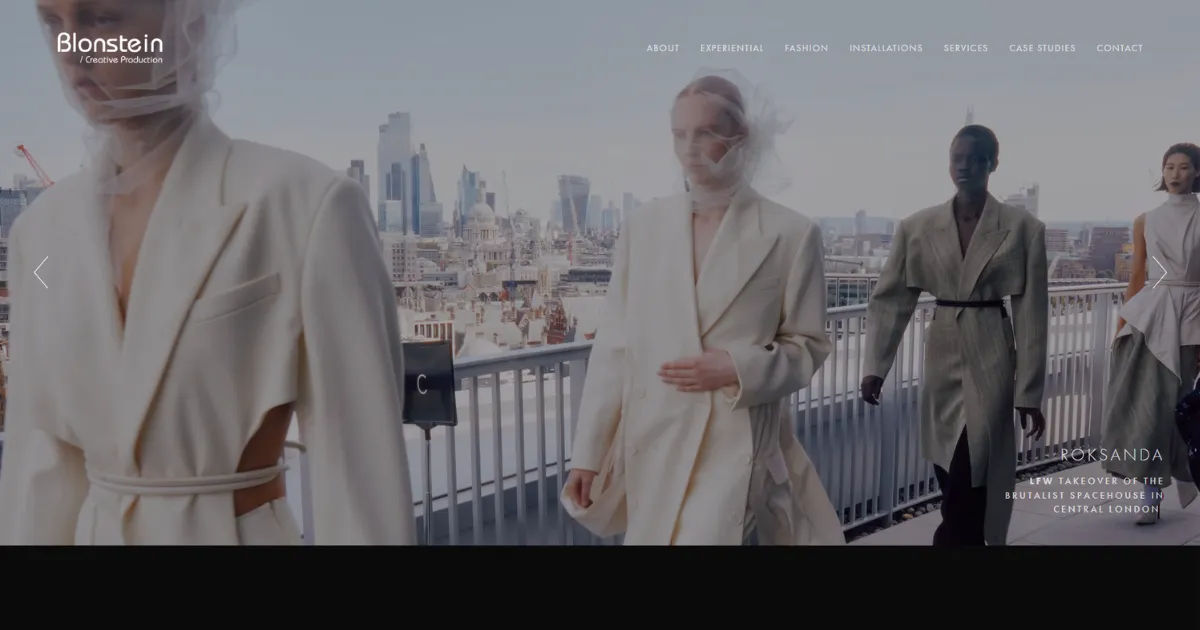 The moodboard matters. But the show happens because someone booked the right crew call, cleared the right permit and sized the power correctly three weeks before anyone thought about seating.
Most brands come to production late. The collection is finished, the venue is half-agreed, the date is locked because a buyer's flight is locked, and there are five weeks left. That is normal. Good producers are used to reverse-engineering a schedule from a fixed date rather than a comfortable one.
London venues have opinions, and they are not negotiable
Every space in this city comes with its own rulebook. Somerset House restricts vehicle access through the courtyard. The Truman Brewery runs on tight, shared load-in windows because six other events are moving in the same week. Listed buildings will not let you fix anything to a wall, which means ballast, freestanding truss and a lot more weight in the room than a client expects. Ambika P3 has the ceiling height you want and a ramp that determines the maximum size of every flightcase you bring.
Then there is the street outside. The Congestion Charge zone and ULEZ both affect what your trucks cost to run and, in some cases, whether an older vehicle can enter at all. Westminster and Camden apply noise conditions that can stop a soundcheck at 22:00 on the dot. Direct Vision Standard rules govern which HGVs can operate in Greater London at all. A producer who works here weekly has all of this priced in before the first quote lands. A producer who does not will find out on show day, and you will pay for the education.
The schedule nobody in the front row ever sees
A 14-minute runway show typically sits on top of a build that runs two to four days, depending on set complexity. A rough shape for a mid-scale London show:
- Day 1, 07:00: venue handover, floor protection down, truss laid out and dressed on the deck
- Day 1, afternoon: motors in, truss to trim, cable runs pulled and dressed
- Day 2: set build, runway deck laid and levelled, seating plot marked
- Day 2, evening: focus session, once ambient light drops
- Day 3, morning: sound and video programming, camera positions locked
- Day 3, 14:00: technical rehearsal, then walking rehearsal with models
- Day 3, 18:30: doors
- Day 3, 21:00: derig begins, out by 06:00
The derig is where budgets quietly break. Overnight out is expensive because it needs a fresh crew at night rates, and it is often non-negotiable because the venue has another client at 08:00. If a quote does not mention derig staffing explicitly, ask.
Where the money actually goes
Clients expect the set to be the biggest line. Usually it is not. On a typical London fashion show, crew and labour will account for roughly a third of the total, technical hire another quarter to a third, and set build the rest, with venue hire sitting outside that entirely. Transport, security, medics, waste removal and licensing are small individually and meaningful together.
The uncomfortable truth is that shaving the set budget by 20 per cent rarely saves 20 per cent, because the same crew still has to build whatever is left. Cutting a build day saves far more. A production company that is worth its fee will tell you that in week one rather than week five.
Fashion week is a different animal
During London Fashion Week in February and September, the whole supply chain tightens at once. Freelance crew get booked out six to eight weeks ahead. Moving light stock across the city runs low. Venues quote premium rates. Model castings compete with twenty other shows for the same faces, and hair and makeup teams are working two or three calls a day.
Booking late in those weeks does not just cost more, it narrows what is physically achievable. Off-season, you can be ambitious with less money. In September, you pay for certainty. This is the single biggest reason to bring a production partner in at the concept stage rather than after the venue is signed — the venue choice often decides the creative ceiling before anyone has drawn anything.
What separates a production company from a supplier
A supplier delivers what is on the order. A production company argues with you first. It asks why the runway is 30 metres when the room only supports a clean sightline for 22. It flags that your chosen finish will read grey on camera under 5600K. It tells you that your 40-look running order will overrun the venue curfew before you have raised it.
That is the value. Teams like Blonstein work across fashion shows, brand activations and large-scale installations, which means they arrive with the same instinct that any experienced London crew develops: solve the problem on paper, because solving it in the room costs ten times more.
Questions to ask before you appoint anyone
Ask who is actually on site on the day, by name and role. Ask which venues they have delivered in during the last twelve months. Ask what their contingency line covers and what it does not. Ask how many shows they are running that same week. Ask for the derig plan in writing.
And ask what happens if a truck is late. Every experienced producer has an answer to that question ready, because it has already happened to them.
Frequently asked questions
How far in advance should I book a fashion event production company in London?
For a standalone show, eight to twelve weeks gives you real choice on venue and crew. For fashion week dates, start four to six months out. Anything under four weeks is deliverable, but the price reflects the compressed schedule.
How much does a London fashion show cost to produce?
Small, intimate presentations can be delivered on modest budgets. A full runway show with custom set, lighting design, sound and content capture sits considerably higher. Venue and crew usually drive the number more than the creative does.
Can one company handle the whole event?
Yes. Full-service producers cover concept, technical design, venue liaison, crewing, run-of-show and derig under one contract, which removes the coordination gaps that cause most show-day problems.
What is the most common mistake brands make?
Signing the venue before the production brief exists. The room dictates the sightlines, the rig, the capacity and half the budget.