
Urine testing is one of the most commonly used diagnostic tools in medicine and screening programs. It helps detect infections, kidney problems, diabetes, pregnancy, and even drug use.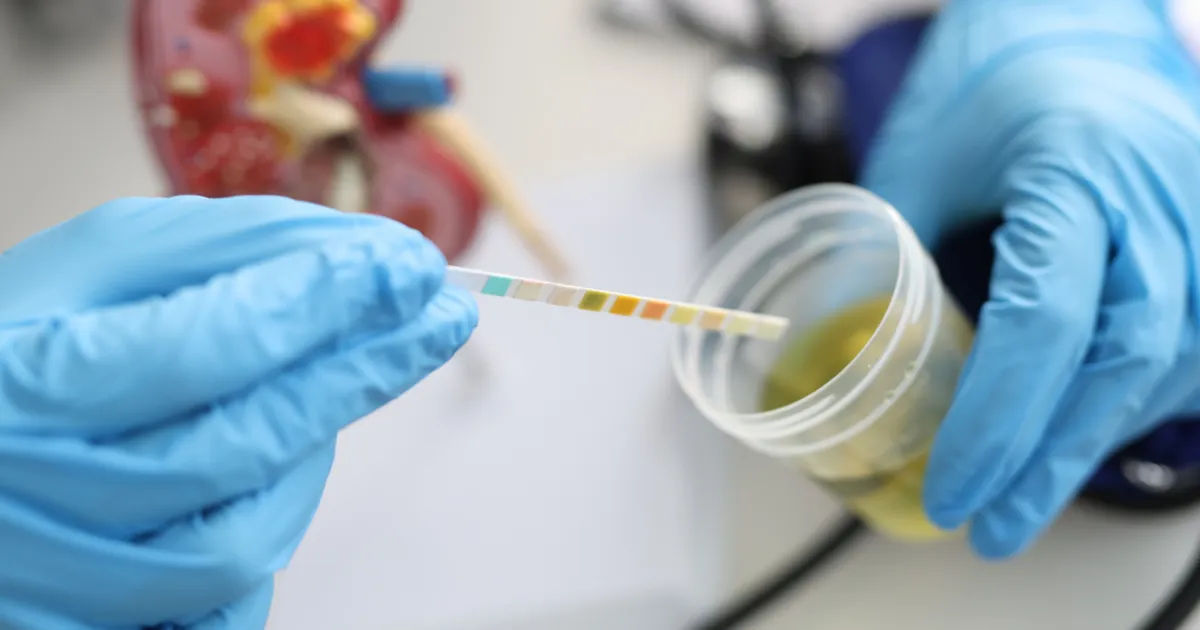
While many people assume these tests are always perfect, including can you freeze urine for a drug test, the reality is more complex. Accuracy depends on several factors such as the type of test, how the sample is collected, and how it is analyzed in a lab. Understanding how accurate urine tests are can help you interpret results better and avoid confusion or unnecessary worry.
What Is a Urine Test?
A urine test, also called urinalysis, is a laboratory examination of urine. It is used to detect and measure different substances in the body.
Common Types of Urine Tests
- Routine urinalysis (general health screening)
- Urine culture (detects infections)
- Pregnancy test (hormone detection)
- Drug screening (detects substances or metabolites)
- Protein or glucose testing (checks kidney or metabolic health)
Each type of test has different accuracy levels depending on its purpose.
How Urine Tests Work
Urine is filtered by the kidneys and contains waste products, excess substances, and sometimes abnormal markers of disease.
In a lab, urine samples are analyzed using:
- Chemical strips (dipstick tests)
- Microscopic examination
- Automated laboratory analyzers
- Confirmatory testing (like GC/MS for drugs)
These methods help identify even small changes in body chemistry.
How Accurate Are Urine Tests Overall?
Urine tests are generally considered highly reliable, but not perfect.
Typical Accuracy Ranges
- Routine urinalysis: 85%–95% accuracy
- Pregnancy tests: 97%–99% accuracy when used correctly
- Drug screening tests: 90%–98% accuracy depending on method
- Urine cultures: very high accuracy for infections if handled properly
However, accuracy can drop if:
- The sample is contaminated
- The test is taken too early or too late
- The lab process is not properly followed
- Certain medications interfere with results
Factors That Affect Accuracy
1. Timing of the Test
Some substances appear in urine only during specific time windows. Testing too early or too late may produce false results.
2. Hydration Levels
Drinking too much water can dilute urine and reduce detectable levels of substances.
3. Medications and Supplements
Certain medications can interfere with results, either causing false positives or false negatives.
4. Improper Sample Collection
Contaminated or poorly collected samples may lead to incorrect readings.
5. Laboratory Errors
Although rare, human or technical errors in labs can affect accuracy.
False Positives and False Negatives
Even accurate tests can sometimes give incorrect results.
False Positive
This happens when the test incorrectly shows a substance is present.
Common causes:
- Certain medications
- Cross-reactivity with similar compounds
- Lab contamination
False Negative
This happens when the test fails to detect a substance that is actually present.
Common causes:
- Low concentration of substance
- Testing outside detection window
- Diluted urine sample
How Reliable Are Drug Urine Tests?
Drug urine tests are widely used in workplaces, schools, and medical settings.
Screening vs Confirmation
- Screening tests: Fast but less precise
- Confirmatory tests: More expensive but highly accurate (like GC/MS testing)
Confirmatory testing is usually done if a screening result is positive.
Detection Windows
Different substances remain in urine for different periods:
- Alcohol: up to 24–48 hours
- Cannabis: several days to weeks (depending on use)
- Cocaine: 2–4 days
- Opioids: 1–3 days
- Amphetamines: 1–3 days
Medical Urine Test Accuracy
Urine tests used in healthcare are generally very reliable when properly conducted.
Examples:
- Urinary tract infection (UTI): High accuracy with culture tests
- Diabetes screening: Detects glucose and ketones reliably
- Kidney disease: Protein levels provide strong indicators
Doctors often combine urine tests with blood tests for better accuracy.
Can You Improve Test Accuracy?
While you cannot control the test itself, you can improve result reliability by:
- Following sample collection instructions carefully
- Providing a clean-catch midstream sample
- Informing doctors about medications
- Avoiding excessive fluid intake before testing
Limitations of Urine Tests
Even though urine tests are useful, they have limitations:
- Cannot always show exact severity of a condition
- May miss early-stage diseases
- Can be influenced by external factors
- Sometimes require follow-up tests for confirmation
Because of this, urine tests are usually part of a larger diagnostic process.
Conclusion
Urine tests are one of the most valuable and widely used diagnostic tools in modern medicine. They are generally highly accurate, especially when performed correctly and interpreted by professionals. However, no test is completely perfect. Factors such as timing, hydration, medications, and sample handling can all influence results.
For this reason, urine test results should always be considered alongside symptoms, medical history, and sometimes additional laboratory tests. When used properly, they provide an essential and dependable window into overall health.