
Healthy arabic appetizers are a delicious and nutritious way to enjoy traditional Middle Eastern flavors while maintaining a balanced diet.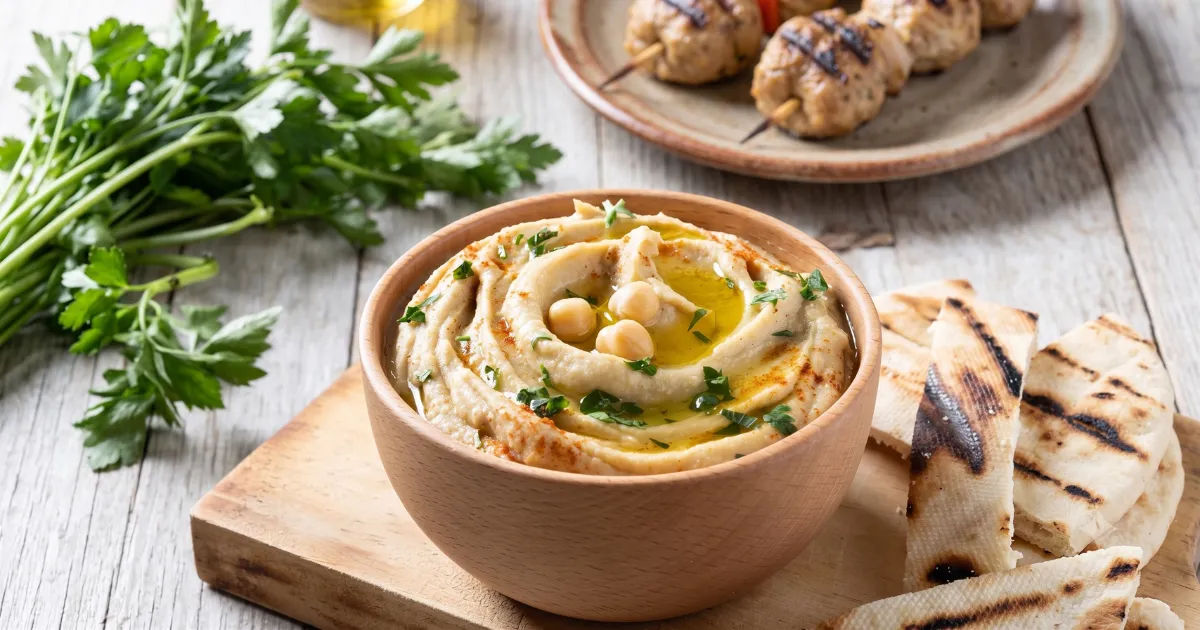
In this guide, we will explore how arabic appetizers can be made healthier without losing their authentic taste, and why arabic appetizers are becoming a popular choice for people who want flavorful yet wholesome meals.
These dishes are known for using fresh vegetables, legumes, olive oil, herbs, and light cooking methods. When prepared thoughtfully, arabic appetizers can support heart health, weight management, and overall wellness while still delivering rich and satisfying flavors.
What Are Healthy Arabic Appetizers?
Healthy arabic appetizers refer to small traditional dishes from Arab cuisine that are prepared using nutritious ingredients and lighter cooking techniques. Unlike heavy fried snacks, these versions focus on balance, freshness, and natural flavors.
Common examples of arabic appetizers include hummus, tabbouleh, baba ghanoush, stuffed grape leaves, and lentil-based dishes. When made in a healthy way, arabic appetizers reduce excess oil, salt, and processed ingredients while increasing fiber, vitamins, and minerals.
One of the best things about arabic appetizers is their flexibility. You can easily adjust recipes to fit vegetarian, vegan, or low-calorie diets without losing authenticity.
Healthy arabic appetizers are often served before main meals, but they can also become light meals on their own when paired with whole grains like pita bread or brown rice.
Nutritional Benefits of Arabic Appetizers
The nutritional value of arabic appetizers comes from their natural and plant-based ingredients. Most traditional recipes rely on legumes, vegetables, olive oil, and herbs, making them nutrient-dense and satisfying.
One major benefit of arabic appetizers is their high fiber content. Ingredients like chickpeas, lentils, and parsley support digestion and help maintain stable blood sugar levels. This makes arabic appetizers a great choice for people managing weight or diabetes.
Another benefit is heart health. Many arabic appetizers use olive oil, which contains healthy monounsaturated fats that support cardiovascular function. Garlic and lemon juice, often used in arabic appetizers, also contribute antioxidants that reduce inflammation.
Additionally, arabic appetizers provide plant-based protein, especially from legumes. This makes them ideal for vegetarians and those trying to reduce meat consumption.
Because arabic appetizers are often low in processed ingredients, they are naturally cleaner and more wholesome compared to many modern snack foods.
Common Ingredients in Healthy Arabic Appetizers
The foundation of arabic appetizers lies in simple, fresh ingredients that are widely available and easy to prepare.
Chickpeas are one of the most important ingredients in arabic appetizers, especially in hummus and falafel (when baked instead of fried). They provide protein, fiber, and a creamy texture.
Fresh herbs like parsley, mint, and cilantro are also essential in arabic appetizers. These herbs add flavor without extra calories and are rich in antioxidants.
Olive oil is another key ingredient in arabic appetizers. It is used for dressing salads, blending dips, and lightly cooking vegetables.
Vegetables such as eggplant, tomatoes, cucumbers, and bell peppers play a major role in arabic appetizers, offering vitamins and hydration.
Whole grains like bulgur wheat are often used in arabic appetizers, especially in dishes like tabbouleh. These grains increase fiber content and help create balanced meals.
Lemon juice, garlic, and spices like cumin and sumac bring bold flavors to arabic appetizers without adding unhealthy fats or sugars.
Top Healthy Arabic Appetizers to Try
There are many delicious options when it comes to arabic appetizers, and most of them can be made healthier with small adjustments.
Hummus is one of the most popular arabic appetizers. Made from blended chickpeas, tahini, lemon juice, and olive oil, it is rich in protein and fiber. Using less oil and more lemon can make it even lighter.
Tabbouleh is another classic among arabic appetizers. It is a fresh salad made with parsley, tomatoes, bulgur, and lemon juice. This dish is low in calories and high in vitamins.
Baba ghanoush is a smoky eggplant dip that belongs to traditional arabic appetizers. It is rich in fiber and antioxidants. Roasting instead of frying the eggplant keeps it healthy.
Stuffed grape leaves, also known as dolma, are popular arabic appetizers filled with rice, herbs, and sometimes vegetables. Using brown rice or quinoa can make them healthier.
Muhammara is a red pepper and walnut dip that is part of flavorful arabic appetizers. It is rich in healthy fats and vitamin C when prepared with minimal oil.
Lentil soup served in small portions is also considered one of the comforting arabic appetizers, offering warmth, protein, and fiber.
Healthy Cooking Methods for Arabic Appetizers
The way arabic appetizers are prepared plays a big role in their nutritional value. Choosing the right cooking methods can make them much healthier without sacrificing taste.
Grilling is one of the best techniques for arabic appetizers. Vegetables like eggplant, zucchini, and peppers gain a smoky flavor without added fat.
Baking is another excellent method for arabic appetizers, especially for items like falafel or stuffed pastries. It reduces oil content significantly compared to deep frying.
Steaming is often used for vegetables in arabic appetizers, helping retain nutrients and natural color.
Blending raw ingredients is also common in arabic appetizers, especially for dips like hummus and muhammara. This keeps nutrients intact and avoids unnecessary cooking fats.
Using fresh herbs and spices instead of heavy sauces helps maintain the light nature of arabic appetizers while enhancing flavor.
Tips for Making Arabic Appetizers Healthier
There are several simple ways to improve the nutritional value of arabic appetizers without changing their traditional essence.
One important tip is to control portion sizes. Even healthy arabic appetizers can add up in calories if eaten in large quantities.
Another tip is to reduce oil slightly while preparing arabic appetizers. Using olive oil in moderation keeps the flavor while lowering fat intake.
You can also increase vegetable content in arabic appetizers. Adding extra cucumbers, tomatoes, or leafy greens boosts fiber and nutrients.
Choosing whole grains instead of refined grains improves the quality of arabic appetizers. For example, replacing white rice with bulgur or quinoa is a smart option.
Limiting salt and using lemon juice or spices instead helps maintain heart-friendly arabic appetizers without losing taste.
Finally, experimenting with baking instead of frying makes arabic appetizers lighter and easier to digest.
How to Plan a Balanced Meal with Arabic Appetizers
Planning meals around arabic appetizers can help create a balanced and satisfying eating experience.
Start by selecting a variety of arabic appetizers that include dips, salads, and protein-rich items. This ensures nutritional diversity.
Pairing arabic appetizers with whole grain bread or light soups can turn them into a complete meal. This is especially useful for lunch or dinner.
Including fresh vegetables alongside arabic appetizers improves fiber intake and keeps the meal refreshing.
Balancing protein, fats, and carbohydrates in arabic appetizers helps maintain energy levels throughout the day.
When served in moderation, arabic appetizers can fit into almost any diet plan, including vegetarian, Mediterranean, or low-calorie diets.
Conclusion
Healthy eating does not mean giving up flavor or tradition. In fact, arabic appetizers show how delicious and nutritious food can go hand in hand. By using fresh ingredients, healthy cooking methods, and balanced portions, arabic appetizers can support overall wellness while still delivering rich cultural taste.
From hummus to tabbouleh, arabic appetizers offer a wide variety of options that are both satisfying and nourishing. Whether you are looking to improve your diet, explore new cuisines, or simply enjoy light meals, arabic appetizers are an excellent choice.
With small adjustments, arabic appetizers can easily fit into modern healthy eating habits without losing their authenticity or charm.